Bug Sweep Services: How to Detect Listening Devices in Your Home or Office
 April 15, 2025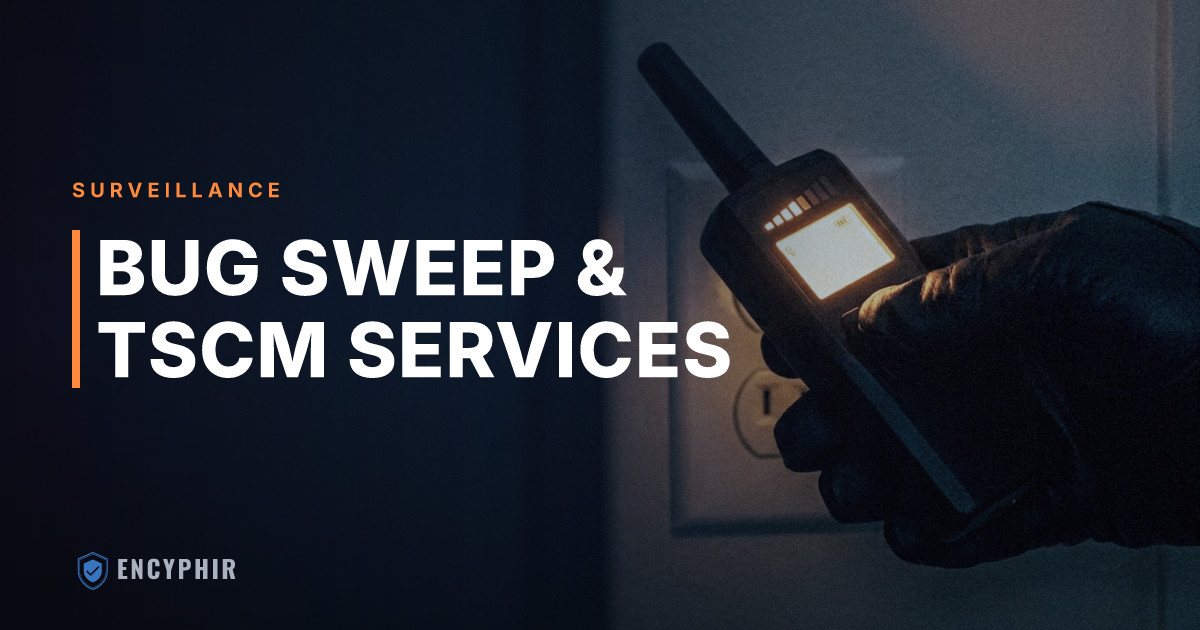
Listening devices have changed dramatically over the last decade. What once required professional-grade equipment to plant is now available for under $50 online. These devices ship in two days and can be hidden inside a USB charger, a wall outlet, or a decorative item. If you believe your home, office, or vehicle is compromised, a professional bug sweep is the only reliable way to know what is actually there.
What Is a Bug Sweep?
A bug sweep, also called a technical surveillance countermeasures (TSCM) inspection, is a systematic search of a physical space for electronic surveillance devices. This includes:
- Hidden microphones
- Audio transmitters
- Covert cameras
- GPS trackers
- Any device designed to capture or transmit information without the occupant's knowledge
Professional sweeps use detection equipment that far exceeds anything available to consumers. This includes broadband RF detectors, nonlinear junction detectors (NLJDs), time-domain reflectometers, and spectrum analyzers that cover the full radio frequency spectrum. A physical inspection of the space goes alongside the electronic sweep to catch devices that are dormant or hardwired.
Who Needs a Bug Sweep?
The circumstances that warrant a professional sweep are more common than most people realize.
Divorce and custody disputes. When a marriage breaks down, covertly planted listening devices are a documented tactic. This is especially true in cases involving significant assets or contested custody. Evidence gathered illegally is inadmissible in court, but that does not stop some parties from trying. A professional sweep before sensitive legal conversations protects your interests.
Business and corporate environments. Trade secret theft, competitor intelligence gathering, and internal fraud investigations all create incentives for workplace surveillance. Executive offices, boardrooms, and meeting spaces used for sensitive discussions are common targets.
Stalking and harassment situations. If you are dealing with a controlling partner, a stalker, or a harassment situation, your home and vehicle may be compromised. Our investigators work directly with clients in these circumstances and can refer to appropriate legal resources alongside our technical work.
Personal suspicion. Sometimes there is no specific triggering event, only a persistent feeling that something is wrong. Signs include unusual sounds on phone calls, private conversations being referenced by others, or behavioral changes in someone with access to your space. These instincts are worth taking seriously.
How a Professional Bug Sweep Works
A trained TSCM specialist approaches your space systematically. The process typically involves:
Radio frequency spectrum analysis. Active transmitting devices broadcast on RF frequencies. A spectrum analyzer maps the entire RF environment of the space and identifies signals that do not match known devices.
Physical inspection. Electronic detection alone is not enough. Our investigators physically examine furniture, fixtures, electronics, and structural elements. Devices can be hardwired to building power and transmit no RF signal at all.
Nonlinear junction detection. NLJDs detect the electronic components of a surveillance device even when the device is powered off. This is critical for finding devices in "sleep" mode that would be invisible to RF detection alone.
Vehicle inspection. GPS trackers and audio bugs can be placed under vehicles, inside wheel wells, behind panels, or in the OBD port. Vehicle sweeps follow a different protocol than building sweeps and need their own inspection process.
How Much Does a Bug Sweep Cost?
Pricing varies based on the size and complexity of the space, the level of detection required, and geographic location. Residential sweeps for a standard home typically cost less than a commercial office sweep of the same square footage. The threat environment and technical complexity differ. Contact us for a specific quote based on your situation.
A professional sweep almost always costs less than the consequences of not knowing. In legal proceedings, business negotiations, or personal safety situations, the value of knowing your environment is secure is significant.
DIY Bug Detection: What Works and What Doesn't
Consumer RF detectors and camera detection apps marketed online vary widely in quality and have real limits. Basic RF detectors will catch transmitting devices on common frequencies. They miss hardwired devices, dormant transmitters, and anything operating on frequencies outside the detector's range. They are a reasonable first step but not a substitute for professional equipment.
If you want to do a preliminary check before scheduling a professional sweep, follow these steps:
- Use a broadband RF detector in a quiet environment
- Turn off all known wireless devices in the space
- Look for signal activity that persists
Any unexplained persistent signals warrant further investigation by a professional.
Common Places Surveillance Devices Are Hidden
Experience has taught our investigators where to look first. In residential spaces, the most common concealment points are:
- Bedside electronics
- Smoke detectors
- Picture frames hanging on walls shared with common areas
- Decorative objects that have been recently gifted or moved
- Outlets near primary conversation areas
In homes where a controlling partner or ex-spouse is the suspected source, devices are often hidden in items the suspect gave as a gift or insisted on placing in a specific location.
In office environments, the pattern shifts. Frequent hiding places include:
- Conference room phone consoles
- Under-desk power strips
- HVAC vents above the ceiling grid
- Picture frames in executive offices
We have recovered devices from the underside of conference tables, inside pen holders, and in replacement smoke detectors swapped in during off-hours by contractors or cleaning crews with after-hours access. In corporate matters, the presence of a device often points to a broader problem involving insider access. Our certified fraud examiner team can pursue the organizational investigation that follows.
Vehicles present their own profile. Magnetic GPS trackers tend to be placed in wheel wells, behind bumpers, or inside the rear quarter panel. OBD-II port devices are more sophisticated and draw power directly from the vehicle. They report location and sometimes audio continuously. Trunk liners, spare tire wells, and the cavity behind dashboard trim are all known concealment points.
What Happens If We Find a Device
Discovery of a surveillance device is rarely the end of an investigation. It is usually the beginning of one. When our team locates a device, we document its exact location, photograph it in place, note its make and model if identifiable, and preserve it to support chain of custody. This matters because the device itself often becomes evidence in a civil or criminal matter.
From there, the response depends on the client's situation. Some clients want the device removed immediately. Others, particularly those working with counsel, may want to leave the device in place temporarily while law enforcement or attorneys are consulted. In stalking and harassment cases, leaving a device undisturbed while securing a protective order can produce stronger evidence. In corporate matters, device discovery often triggers a parallel digital forensics review of company devices, email systems, and network logs to find how far the intrusion extends.
When surveillance crosses into suspected criminal conduct, we coordinate with the client's attorney before any action is taken. Law firms retain us regularly for exactly this reason. Our work is documented to standards that hold up in depositions and at trial. Law firm clients can engage us directly on behalf of their clients so that our findings fall under attorney work product where appropriate.
Preventive Measures: Reducing Your Exposure Before a Sweep
A bug sweep is a point-in-time inspection. It tells you what is present at the moment of the inspection, not what might be planted tomorrow. For clients with ongoing exposure, prevention matters as much as detection.
Control physical access. The simplest way a device enters a space is through a person who is allowed in. Cleaning crews, contractors, maintenance staff, and guests with unsupervised access all represent exposure. Executive spaces should be locked when unoccupied. Access logs should be maintained for spaces used for sensitive discussions. Our security consulting team works with businesses and high-net-worth individuals to design access controls that reduce this risk.
Audit new items. Gifts, promotional items, and office furnishings that appear without clear provenance deserve a closer look. We have recovered devices from items as ordinary as a desk clock received as a vendor gift and a throw pillow added to a guest room by a visiting family member.
Plan sensitive conversations deliberately. Even in a space that has been professionally swept, truly sensitive discussions should happen in locations that are unpredictable to an adversary. A conversation held in a space the other party has never been in and cannot anticipate is inherently harder to surveil.
Schedule recurring sweeps for high-value spaces. Boardrooms, executive offices, and legal conference rooms benefit from quarterly or semi-annual inspections rather than reactive sweeps after a problem is suspected. Recurring inspections catch devices early. They also establish a clean baseline that makes later anomalies easier to spot.
Schedule a Professional Sweep
Our counter-surveillance team conducts TSCM inspections for residential clients, corporate environments, legal teams, and individuals in sensitive personal situations. Every sweep is conducted by licensed, experienced investigators using professional-grade detection equipment.
If you have reason to believe your space is compromised, or if you simply want certainty before a sensitive conversation, a professional bug sweep is the right call. Corporate clients retain us for executive-office and boardroom sweeps. Our certified fraud examiners integrate TSCM results into internal investigations where surveillance may be tied to trade-secret theft or insider fraud. Contact Encyphir Risk Management to discuss your situation and schedule an inspection.