Corporate Moles: How to Detect and Stop Insiders Leaking Company Secrets
 September 20, 2026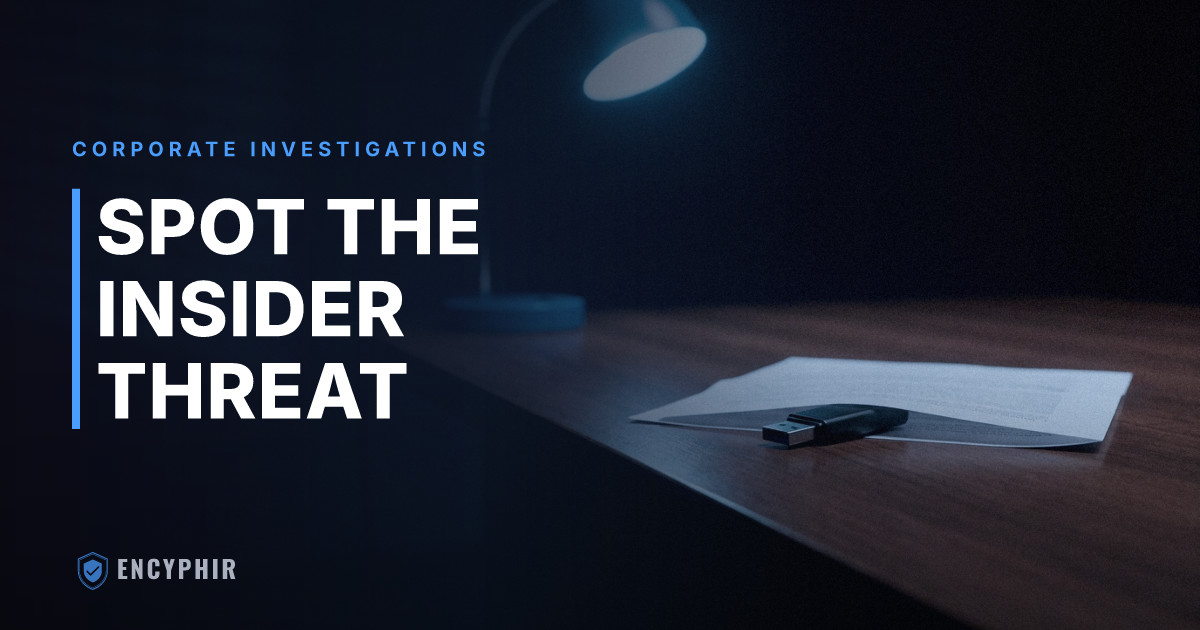
Every organization holds information that competitors would love to see: product roadmaps, client lists, pricing models, merger plans, proprietary code. When that information walks out the door, it rarely does so through a sophisticated external hack. More often, it leaves quietly, in the pocket of a trusted employee. Corporate moles, whether motivated by money, revenge, ideology, or recruitment by a competitor, represent one of the most damaging and least understood risks facing modern businesses.
The challenge with insider threats is that the perpetrators already have legitimate access. They know the systems, they know the blind spots, and they know how to avoid the tripwires that would catch an outsider. Detecting and stopping them requires a combination of behavioral awareness, technical monitoring, and disciplined investigative process. Here is how business leaders can approach the problem before it becomes a headline.
Understand Who Becomes an Insider Threat
Insider leaks rarely come from the person you would suspect on day one. Most corporate moles are established employees with several years of tenure, a solid performance record, and access to sensitive systems earned through trust. Common motivators include financial pressure, a perceived grievance against leadership, an offer from a competitor, or ideological alignment with a cause that conflicts with company interests.
Certain roles carry elevated risk simply because of what they can see: engineers with source code access, sales staff with full CRM exports, finance personnel with M&A visibility, and IT administrators with unrestricted system privileges. Departing employees, particularly those who have accepted offers from competitors, represent a well-documented spike in data exfiltration activity during their final weeks.
Recognizing the profile is not about paranoia. It is about knowing where to focus limited monitoring and investigative resources.
Watch for the Behavioral Red Flags
Before data ever leaves the building, insiders almost always exhibit observable behavior changes. Managers and HR should be trained to recognize patterns such as:
- Sudden interest in projects, files, or departments outside the employee's normal scope
- Working unusual hours without a business reason, particularly logging in late at night or on weekends
- Repeated attempts to access restricted systems or requests for expanded permissions
- Downloading large volumes of files, especially to personal devices or cloud storage
- Unexplained changes in lifestyle, financial behavior, or demeanor
- Increased contact with competitors, vendors, or former colleagues in sensitive roles
- Growing resentment toward leadership, missed promotions, or disciplinary actions
No single indicator confirms wrongdoing. However, clusters of these behaviors, particularly when paired with access to sensitive information, warrant a closer look. This is where a formal executive misconduct and internal investigation process becomes critical. Acting on suspicion without proper protocol can destroy evidence, expose the company to wrongful termination claims, and tip off the very person you are trying to investigate.
Build Technical Controls That Actually Catch Leaks
Behavioral awareness must be paired with technical monitoring. At a minimum, organizations should implement data loss prevention tools, endpoint activity logging, email and file transfer monitoring, and role-based access controls that limit exposure to what each employee genuinely needs. Regular audits of privileged accounts are essential; dormant admin credentials are a favorite target for both insiders and the attackers who recruit them.
When a leak is suspected, the response window is short. Preserving forensic evidence properly, including device images, log files, cloud activity records, and email metadata, requires specialized skill. Our digital forensics team works with corporate counsel and IT departments to capture and analyze evidence in a manner that holds up in court, arbitration, or regulatory proceedings. Untrained internal responders often overwrite the very artifacts that would prove the case.
Prevent the Problem Before It Starts
The most cost-effective defense against corporate moles happens before the person is ever hired. Rigorous pre-employment background investigations for anyone with access to sensitive information should include verification of employment history, credential checks, litigation and criminal record searches, and, where appropriate, financial pressure indicators. For senior roles and positions of trust, deeper due diligence into business affiliations and undisclosed conflicts of interest is warranted.
Ongoing prevention also matters. Clear confidentiality agreements, exit interview protocols, immediate access revocation upon termination, and a culture where employees feel safe reporting concerns all reduce the opportunity and incentive for insider activity. Periodic training, both for leadership and for staff, keeps awareness fresh.
Take Action Before the Damage Is Done
By the time a leak becomes public, the competitive, legal, and reputational damage is usually already substantial. The organizations that fare best are the ones that treated insider risk as a discipline, not an afterthought.
If you suspect that proprietary information is leaving your organization, or if you want to build a proactive program to prevent it, Encyphir's investigators and forensic specialists can help. Contact us for a confidential consultation and let us help you protect what your business has worked so hard to build.