Covert vs. Overt Surveillance: Key Differences Every Business Should Understand
 April 23, 2026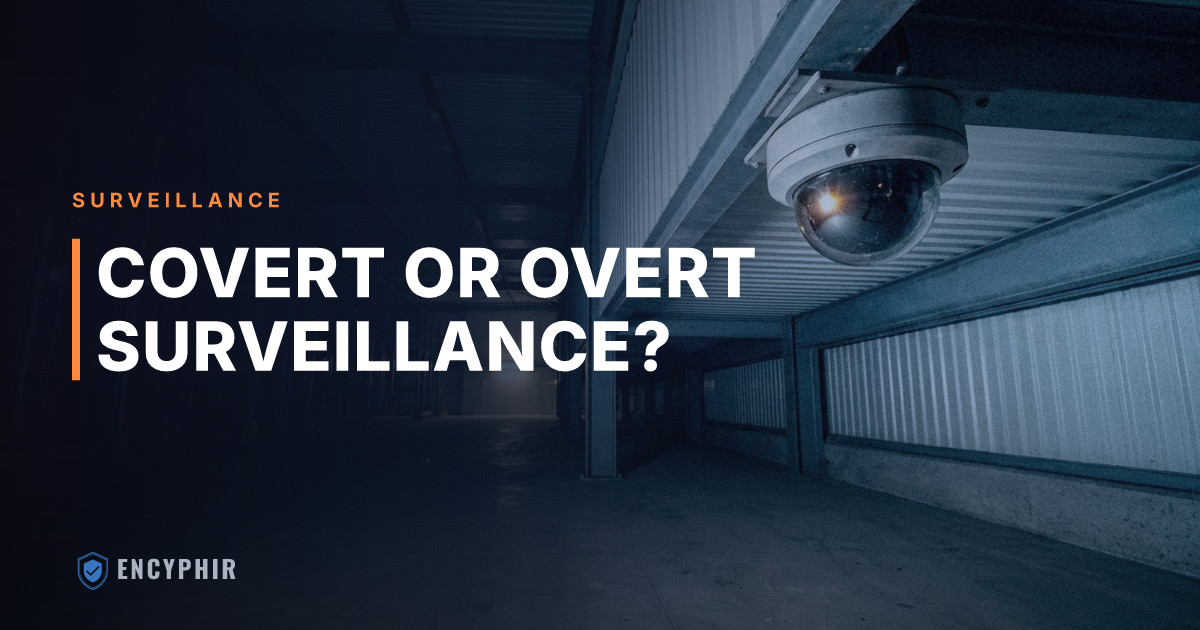
Surveillance is a powerful tool for protecting your business. But not all surveillance is the same. Knowing the difference between covert and overt surveillance can mean the difference between resolving a situation and making it worse.
You may be dealing with employee misconduct, theft, fraud, or an external threat. In each case, the right surveillance strategy matters. This post breaks down the key differences between covert and overt surveillance. We outline the strengths and limits of each, then help you decide which fits your needs.
What Is Covert Surveillance?
Covert surveillance is the discreet monitoring of people, places, or activities without the subject's knowledge. It captures authentic, uninfluenced behavior. It is used when alerting the subject could compromise the investigation or allow evidence to be destroyed.
Common business applications include:
- Employee misconduct investigations: When credible allegations of theft, fraud, or policy violations exist, covert surveillance can document the behavior without tipping off the subject.
- Workers' compensation fraud: If a claimant may be exaggerating or faking an injury, discreet observation can reveal the truth.
- Competitive intelligence and due diligence: Businesses sometimes need to quietly verify claims made by potential partners, vendors, or acquisition targets.
- Internal theft and shrinkage: Retail and warehouse operations may use covert monitoring to find the source of inventory losses.
Professional surveillance services from licensed investigators ensure all monitoring is done legally and ethically. The evidence is also admissible in legal or administrative proceedings.
What Is Overt Surveillance?
Overt surveillance is monitoring done openly, with the full knowledge of those being observed. Visible cameras, uniformed guards, marked patrol vehicles, and posted signage are all examples.
The main purpose of overt surveillance is deterrence. People who know they are being watched are far less likely to engage in criminal or unethical behavior. Visible measures remind everyone that the business takes security seriously.
Typical overt surveillance applications include:
- Facility security: Visible cameras and access control points protect offices, warehouses, and retail locations.
- Event security: Uniformed personnel and clearly placed monitoring equipment help maintain order at corporate events, conferences, and public gatherings.
- Workplace policy enforcement: Employees who know certain areas are monitored are more likely to follow safety rules and company policies.
- Liability protection: Footage from visible camera systems can serve as evidence in slip-and-fall claims, disputes, and litigation.
A full security consulting engagement helps businesses find the best placement and setup for overt surveillance. The goal is to maximize both deterrence and coverage.
Key Differences at a Glance
Both approaches serve important roles, but they differ in several key ways:
- Awareness: Covert surveillance is hidden from the subject; overt surveillance is visible and known.
- Primary goal: Covert methods gather evidence and observe authentic behavior. Overt methods deter unwanted behavior.
- Legal considerations: Both are subject to federal, state, and local privacy laws. Covert surveillance generally requires more careful legal planning to stay compliant.
- Best use cases: Covert surveillance is best for active investigations where evidence collection is the priority. Overt surveillance is ideal for ongoing security and prevention.
- Impact on behavior: Subjects under covert surveillance act naturally because they do not know they are being watched. Subjects under overt surveillance may change their behavior, which is the intended effect.
When Should Your Business Use Each Approach?
The choice between covert and overt surveillance depends on the situation, your goals, and the legal landscape. In many cases, the best strategy uses both.
For example, a company might keep visible cameras throughout its facilities as a general deterrent. At the same time, it might hire a licensed investigator to conduct covert surveillance on an employee suspected of corporate fraud or misconduct. This layered approach covers both prevention and active investigation.
Here are some guiding principles:
- Choose covert surveillance when you need to document specific behavior without alerting the subject, when preserving evidence is critical, or when the subject's awareness could compromise the investigation.
- Choose overt surveillance when your main goal is to prevent incidents, when you want a visible security posture, or when transparency matters for employee relations and compliance.
- Combine both approaches when you need full security that covers both ongoing deterrence and targeted investigative needs.
Whichever approach you choose, work with licensed professionals who know the legal boundaries and best practices in your jurisdiction.
Protect Your Business With the Right Strategy
Surveillance is not a one-size-fits-all solution. The right approach depends on your goals, your industry, and the risks your organization faces. The wrong choice can waste resources, produce unusable evidence, or expose your company to legal liability.
At Encyphir, our licensed investigators and security professionals have deep experience with both covert and overt surveillance strategies. We work with businesses of all sizes. Every engagement is conducted legally, ethically, and with the precision your situation demands.
Are you facing a situation that calls for professional surveillance? Do you want to evaluate your current security posture? Contact Encyphir today for a confidential consultation. Let us help you build a surveillance strategy that protects your people, your assets, and your bottom line.