Drone Surveillance: Legal Uses and Limits for Investigators
 July 25, 2026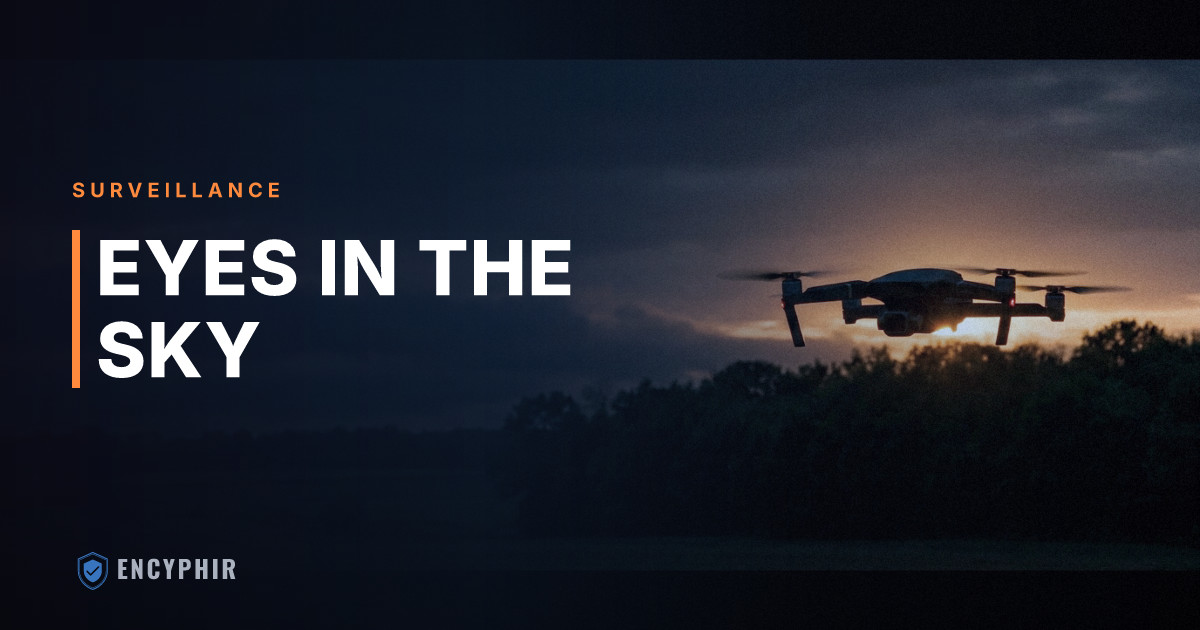
Drone Surveillance: Legal Uses and Limits for Investigators
Unmanned aerial systems have transformed the surveillance landscape. What once required a helicopter, a rooftop vantage point, or a costly stakeout can now be accomplished with a compact drone and a licensed pilot. For corporate clients, attorneys, and risk managers, this technology offers new efficiencies in evidence gathering. However, drone surveillance also operates within a tightly regulated legal framework that professional investigators must navigate carefully. Understanding where the opportunities end and the legal limits begin is essential for any organization considering aerial investigative support.
The Expanding Role of Drones in Professional Investigations
Drones have become a practical tool for licensed investigators in a variety of scenarios. Aerial imagery can document large properties in insurance fraud cases, capture activity at remote industrial sites, track workplace safety violations, or verify claims in personal injury and workers' compensation matters. In corporate investigations, drones can provide overhead perspective on facilities where ground-level access is restricted or where traditional surveillance would be quickly detected.
When paired with traditional surveillance techniques, aerial observation adds a valuable dimension to case work. Investigators can confirm patterns of movement, document meetings occurring in open outdoor spaces, or preserve evidence of activity at rural locations that would otherwise require intrusive ground presence. The result is often faster, safer, and more comprehensive fact-finding.
FAA Regulations Every Client Should Understand
All commercial drone operations in the United States fall under Federal Aviation Administration authority. Under Part 107 of the federal aviation regulations, any investigator operating a drone for business purposes must hold a Remote Pilot Certificate. This certification requires passing an aeronautical knowledge exam and adhering to strict operational rules.
Key Part 107 requirements include maintaining visual line of sight with the aircraft, operating only during daylight or civil twilight unless waivered, staying below 400 feet above ground level, and avoiding flight over people who are not participants in the operation. Restricted airspace near airports, government facilities, and certain critical infrastructure requires prior authorization through the FAA's LAANC system.
Clients should be cautious of any investigator or vendor offering aerial surveillance without proper certification. Non-compliant operations can result in significant federal penalties and, more importantly, can render any evidence collected inadmissible in court.
Privacy Law and the Reasonable Expectation Standard
Federal aviation rules govern how drones can fly. State and common law govern what they can observe. This distinction is critical. Most states have enacted their own drone privacy statutes, and case law continues to evolve around what constitutes an unreasonable intrusion.
The general legal standard remains the reasonable expectation of privacy. Observing activity in plain view from lawful airspace, such as a commercial parking lot, a public roadway, or the exterior of a warehouse, is generally permissible. Using a drone to peer into a bedroom window, capture activity inside a fenced backyard shielded from ordinary view, or record audio without consent will almost certainly violate state privacy laws and may constitute a criminal act.
Several states have also created specific torts for drone-based intrusion, allowing civil recovery against operators who cross the line. For law firms building a case, this is a critical consideration. Evidence obtained through improper aerial surveillance can be suppressed, and the investigator or client may face counterclaims. Firms working with litigation support providers should confirm that all aerial evidence has been captured within both federal and state legal boundaries.
Best Practices for Admissible Aerial Evidence
Professional investigators follow disciplined protocols to ensure drone-gathered evidence holds up under scrutiny. These include documenting flight plans and airspace authorizations, maintaining metadata on all captured imagery, limiting observation to areas visible from public or lawful vantage points, and preparing detailed operator logs that can support chain-of-custody arguments.
When drone footage is integrated with other investigative work, such as records analysis, interviews, or digital forensics, the resulting evidence package becomes far more compelling. Courts and adjudicators respond to well-documented, methodically gathered information. Sloppy aerial work, by contrast, invites challenge and can undermine an otherwise strong case.
Choosing the Right Investigative Partner
Drone surveillance is a powerful tool, but only when deployed by properly licensed, insured, and legally informed professionals. Selecting an investigator who understands both the technical capabilities of unmanned systems and the regulatory framework that governs them protects your organization from liability and ensures that the intelligence you receive can be acted upon with confidence.
If your organization is considering aerial surveillance as part of a corporate investigation, litigation support matter, or risk assessment, contact Encyphir Risk Management today. Our certified operators and experienced investigators can help you understand what is possible, what is permissible, and how to build an evidence strategy that stands up in court.