GPS Tracker Detection: How to Find a Hidden Tracking Device on Your Vehicle
 May 13, 2025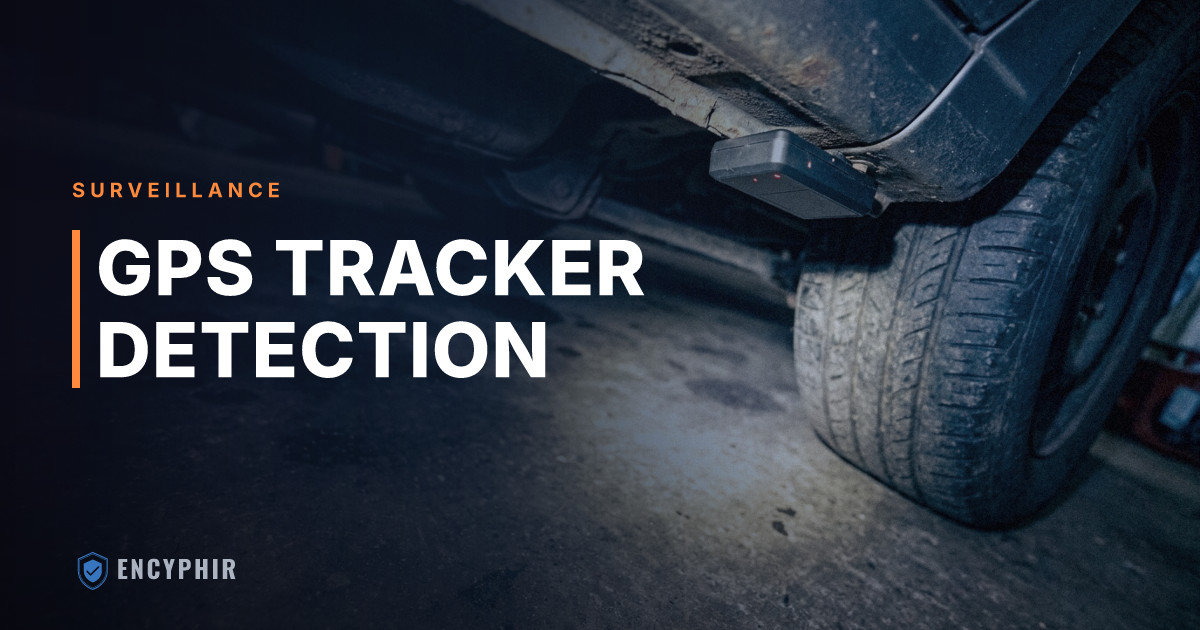
Hidden GPS trackers are common surveillance tools in domestic disputes, workplace investigations, insurance fraud cases, and stalking situations. They are small, cheap, and can be placed on a vehicle in seconds. If you suspect someone is tracking your movements, knowing how to find a tracking device is both a safety and a legal matter.
How Hidden GPS Trackers Work
Most consumer GPS trackers use a mix of GPS satellite data and cellular networks to report location. They ping their position at intervals, anywhere from every few seconds to once every several minutes. That data is sent to a server the owner can access through an app or web portal.
Tracker batteries last from a few days to several months depending on the device and reporting frequency. Some are hardwired into a vehicle's electrical system for indefinite power. The smallest current trackers are about the size of a matchbox and can be hidden in places a casual inspection would never reach.
Where Trackers Are Typically Hidden
Wheel wells and undercarriage. Magnetic trackers are most often found inside plastic wheel well liners or stuck to any flat metal surface on the underside of the vehicle. These spots are accessible without tools and invisible during normal use.
OBD-II port. The on-board diagnostics port sits under the dashboard on the driver's side of nearly every car built after 1996. It accepts plug-in trackers that draw power directly from the vehicle. These devices are hard to spot because they blend in with legitimate OBD devices.
Bumpers and body panels. Trackers can be tucked behind front and rear bumper covers. These covers are typically plastic and often do not require tools to access.
Inside the vehicle. Trackers hidden under seats, in seat pockets, inside the trunk, or concealed in personal items are harder to detect. They may not be magnetic and will not respond to an exterior sweep.
How to Check for a GPS Tracker
Physical inspection. A thorough search means getting under the vehicle with a flashlight and mirror. Check every surface accessible from below: undercarriage rails, wheel wells, spare tire housing, the transmission tunnel, and the area around the fuel tank. Use a mirror-on-a-stick to reach areas you cannot directly see.
Magnetic sweep. A neodymium magnet or a sweep tool will find magnetically attached devices in wheel wells and along the undercarriage faster than visual inspection alone. Run it along all accessible metal surfaces.
OBD-II check. Inspect the OBD port under your dashboard. Any device plugged into that port that you did not install yourself warrants immediate investigation.
Electronic detection. RF detectors and GPS signal detectors can pick up a tracker's transmission when it is actively reporting. Many trackers transmit in bursts rather than continuously, so electronic detection takes patience. Scan with a detector while the vehicle is parked, and repeat the sweep at intervals over several hours.
Professional vehicle sweep. A professional sweep uses spectrum analysis, dedicated GPS detection equipment, and a systematic physical inspection that covers areas a non-specialist will miss. It is the most reliable option when your safety or legal situation depends on a clear answer.
The Legal Landscape Around GPS Tracking
Whether placing a GPS tracker on a vehicle is legal depends on jurisdiction and the relationship between the parties involved.
In many states, placing a tracker on a vehicle you own, or a jointly owned vehicle, is legal. Placing one on a vehicle you do not own is typically a criminal offense. A spouse may or may not have legal authority to track a jointly titled vehicle, depending on your state's laws. A private investigator tracking a subject's movements from public roads using legal equipment is different from a private individual placing a tracker on someone else's vehicle.
If you find a tracker on your vehicle and believe it was placed without authorization, do not remove it immediately. Photograph it in place, note the exact location, and consult an attorney before taking further action. The device itself may be evidence in a criminal or civil proceeding.
If you are a business owner dealing with a company vehicle or an insurance investigation, our surveillance services team can advise on legally compliant tracking and monitoring practices.
Warning Signs That Someone May Be Tracking You
Before a tracker is ever found, behavioral signals usually appear first. A former partner may consistently show up in places you have not told them about. A coworker may reference meetings or client visits you never discussed. A neighbor may always seem to know when your driveway is empty. Stalking and domestic abuse cases often begin with this kind of impossible knowledge, and the victim often rationalizes it for weeks or months before considering surveillance as the explanation.
Other indicators are mechanical rather than behavioral. A vehicle battery that drains faster than normal can signal a hardwired tracker drawing continuous power. Unexplained scuff marks near the undercarriage, disturbed dust or dirt patterns on body panels, or small pieces of double-sided tape or magnet residue on hidden surfaces all suggest someone has been under or inside your car. Dashboard warning lights related to the electrical system can also appear after a poorly installed OBD device interferes with the vehicle's data bus.
Corporate clients often see a different set of warning signs:
- Competitors who consistently arrive at vendor meetings with suspiciously current information
- Sales territories that bleed to rivals
- Executives whose travel patterns appear in places they shouldn't be
These can all point to vehicle tracking of key personnel. In those cases, we recommend pairing a sweep with a broader competitive intelligence assessment so the tracker is investigated as part of a larger information leak rather than in isolation.
What to Do the Moment You Find a Device
The instinct to rip a tracker off and throw it in a ditch is understandable. It is also almost always the wrong move. A tracker is physical evidence. It has a serial number, internal memory, a SIM card, and in some cases a cellular subscription tied to a billing account that can be subpoenaed. Destroying or relocating it before it is documented can compromise a criminal prosecution, a protective order hearing, or a civil suit.
The correct sequence is to leave the device in place and photograph it from multiple angles with the vehicle visible for context. Record the date, time, GPS coordinates of the vehicle when the discovery was made, and any witnesses present. If the tracker is accessible without removing it, note any visible markings, model numbers, or carrier labels. Then contact an attorney and a licensed investigator before doing anything else. Our team coordinates regularly with law firm clients to preserve chain of custody in these situations. The difference between a well-documented device and one that was yanked off and handled casually can determine whether the evidence is admissible at all.
If the tracker appears to be actively reporting and you have immediate safety concerns, that changes the calculus. In those cases, law enforcement involvement becomes the priority. A temporary move to a location the tracker's owner does not know about may also be warranted until the device can be properly addressed.
Counter-Surveillance for High-Risk Individuals
For executives, public figures, domestic violence survivors, and anyone else facing an elevated threat profile, a single vehicle sweep is rarely enough. Trackers are cheap to replace, and a determined adversary will simply place another one within days or weeks of the first being found. Effective counter-surveillance is a program, not an event.
A proper program combines several elements:
- Recurring physical sweeps on a randomized schedule
- Secure parking practices that limit unattended access to the vehicle
- Driver awareness training
- Vehicle swaps or rental vehicles for sensitive travel in some cases
For corporate principals, we often integrate vehicle sweeps with broader security consulting work that covers residential security, office access control, and digital exposure. A tracker on the car is often just the most visible piece of a larger surveillance posture against the target.
Digital hygiene matters here as well. Many modern tracking efforts do not require a hardware device at all. They rely on spyware installed on a phone, compromised cloud accounts, or shared location features left enabled on a family plan. When a client suspects vehicle tracking, we often recommend a parallel digital forensics review of phones and devices to rule out or confirm a software-based component. Treating the two as separate problems can leave a client feeling safe after a clean vehicle sweep while the actual surveillance continues through their handset.
Documenting Evidence for Legal Proceedings
A tracker found by a frightened individual in a driveway and a tracker found by a licensed investigator following documented protocols are treated very differently by courts. Judges, prosecutors, and opposing counsel look for methodology. Was the search conducted by a trained professional? Were photographs timestamped and geotagged? Was the chain of custody maintained from the moment of discovery? Was the device analyzed by a qualified forensic examiner rather than a curious technician?
When we conduct a sweep for a client involved in active litigation, we produce a written report documenting every area inspected, the equipment used, the findings at each location, and the condition of any device recovered. If appropriate, the device is transferred to a forensic lab under sealed chain of custody for extraction of stored data, including historical location logs and account information. Combined with a background investigation on the suspected placer, this material often forms the evidentiary foundation for restraining orders, criminal referrals, or civil claims.
When to Involve a Professional
If you are in a domestic dispute, a custody battle, a stalking situation, or any circumstance where someone's motives carry safety implications, a professional investigation is appropriate. Our investigators can:
- Conduct a full vehicle inspection using professional detection equipment
- Advise on the legal status of any devices found in your jurisdiction
- Coordinate with law enforcement if a criminal offense has occurred
- Provide documentation suitable for use in civil or criminal proceedings
A background investigation on a person you suspect of placing a tracker can also reveal whether they have a history of harassment, restraining order violations, or prior related offenses.
When a suspected tracker is tied to a marital dispute or a stalking-adjacent pattern, our cheating spouse and domestic investigations team can fold the sweep into the broader investigation. Contact our team to discuss your situation confidentially. Whether you need a vehicle sweep or broader counter-surveillance support, our licensed investigators can help.