GPS Tracking Laws in California and Florida: What Businesses and Investigators Need to Know
 May 5, 2026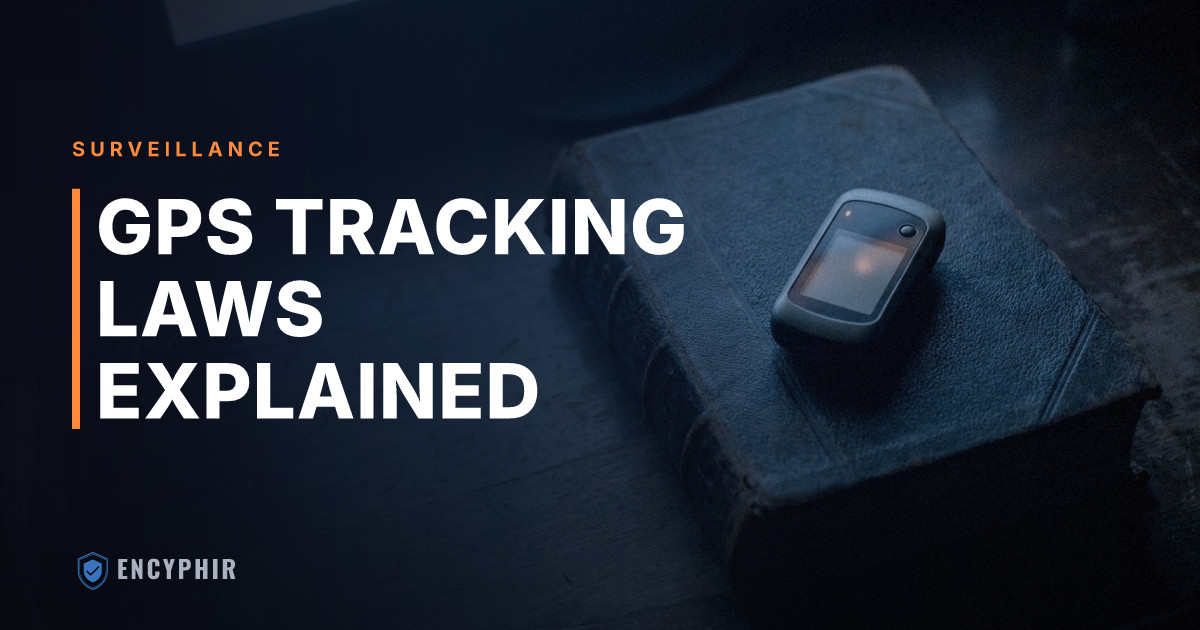
GPS tracking technology has become an invaluable tool for businesses, fleet managers, and licensed investigators. From monitoring company vehicles to conducting lawful surveillance operations, GPS devices offer real-time location data that can protect assets, verify claims, and support legal proceedings. However, the laws governing GPS tracking vary significantly from state to state, and failing to understand the distinctions can expose your organization to civil liability or even criminal prosecution.
If your business operates in California, Florida, or both, it is critical to understand how each state regulates the use of GPS tracking devices. Below, we break down the key legal frameworks, highlight the differences, and offer practical guidance for staying compliant.
California GPS Tracking Laws: A Strict Regulatory Environment
California has some of the most protective privacy laws in the nation, and its approach to GPS tracking reflects that reputation. Under California Penal Code Section 637.7, it is illegal to use an electronic tracking device to determine the location or movement of a person without that person's consent. Violations can result in civil penalties, and in certain contexts, criminal charges.
There are important nuances to keep in mind:
- Vehicle ownership matters. If your business owns the vehicle, you generally have the right to place a GPS tracker on that asset. Employers may track company-owned vehicles used by employees, though best practices recommend notifying employees through a written policy.
- Personal vehicles are off-limits without consent. Placing a tracker on someone else's personal vehicle without their knowledge or a valid court order is a violation of California law.
- Law enforcement exceptions exist. Law enforcement agencies may use GPS devices with a valid warrant, following the precedent set by the U.S. Supreme Court in United States v. Jones (2012).
- Private investigators must exercise caution. Licensed investigators in California may use GPS tracking in certain circumstances, but they must operate within the bounds of the Penal Code. Tracking a subject's personal vehicle without consent or a court order can create serious legal exposure.
For businesses considering surveillance operations in California, consulting with a licensed professional before deploying any tracking technology is not just advisable; it is essential.
Florida GPS Tracking Laws: More Permissive, but Not Without Limits
Florida takes a somewhat different approach. Under Florida Statute 934.425, it is unlawful to install a tracking device on another person's vehicle without their consent. However, the statute includes several notable exceptions that make Florida's framework more permissive than California's in certain scenarios:
- Vehicle owners and lessors may track their own property. If you own or lease the vehicle, Florida law generally permits you to install a GPS device on it.
- Parents may track minor children. A parent or legal guardian can place a tracking device on a vehicle used by their minor child.
- Fleet tracking is broadly permitted. Businesses that own their fleet vehicles have wide latitude to monitor those assets for efficiency, safety, and accountability purposes.
- Court orders and law enforcement. As in California, law enforcement may use GPS tracking with proper judicial authorization.
Despite these broader allowances, Florida law still prohibits tracking someone else's personal vehicle without consent. Individuals and businesses that violate this statute may face misdemeanor charges, civil suits, or both.
Key Differences Between California and Florida
The most significant distinction between these two states lies in their overall approach to privacy. California's legal framework treats GPS tracking with a presumption of restriction, placing the burden on the tracker to demonstrate lawful authority. Florida, while still protective of individual privacy, provides clearer statutory exceptions that give businesses and investigators more operational flexibility.
Another notable difference involves employee monitoring. California's strong employee privacy protections mean that even tracking company-owned vehicles should be accompanied by clear, written disclosure to employees. In Florida, while disclosure is considered best practice, the legal requirements are less stringent when the vehicle is owned by the employer.
For organizations that operate across both states, the safest approach is to adopt the stricter California standard as your baseline policy. This ensures compliance regardless of jurisdiction.
Best Practices for Businesses and Investigators
Whether you operate in California, Florida, or nationwide, these best practices will help minimize legal risk when using GPS tracking technology:
- Establish clear written policies. If you track company vehicles, document the policy and require employee acknowledgment. This protects your organization in both states.
- Never track personal vehicles without consent or a court order. This is the single most important rule to follow, regardless of jurisdiction.
- Work with licensed professionals. If GPS tracking is part of a broader corporate investigation or surveillance effort, partnering with a licensed investigation firm ensures that evidence is gathered lawfully and remains admissible.
- Stay current on legislative changes. Privacy laws are evolving rapidly at both the state and federal level. Regular legal review of your tracking policies is a worthwhile investment.
- Document everything. Maintain records of when devices were deployed, on which vehicles, and under what authority. Thorough documentation is your best defense if a tracking decision is ever challenged.
How Encyphir Can Help
Navigating GPS tracking laws requires more than just legal knowledge. It requires operational expertise. At Encyphir, our licensed investigators understand the legal landscape in every state where we operate, and we design every surveillance and tracking engagement to meet the highest standards of compliance and evidentiary integrity. Our security consulting team can also help your organization develop GPS and fleet monitoring policies that protect both your assets and your legal standing.
If your business needs guidance on lawful GPS tracking, employee monitoring, or surveillance operations in California, Florida, or any other state, we are here to help. Contact Encyphir today to speak with a licensed investigator about your specific needs and ensure your tracking practices are legally sound from the start.