How Investigators Unmask a Catfish: The OSINT Workflow Behind an Online Match Investigation
 August 18, 2026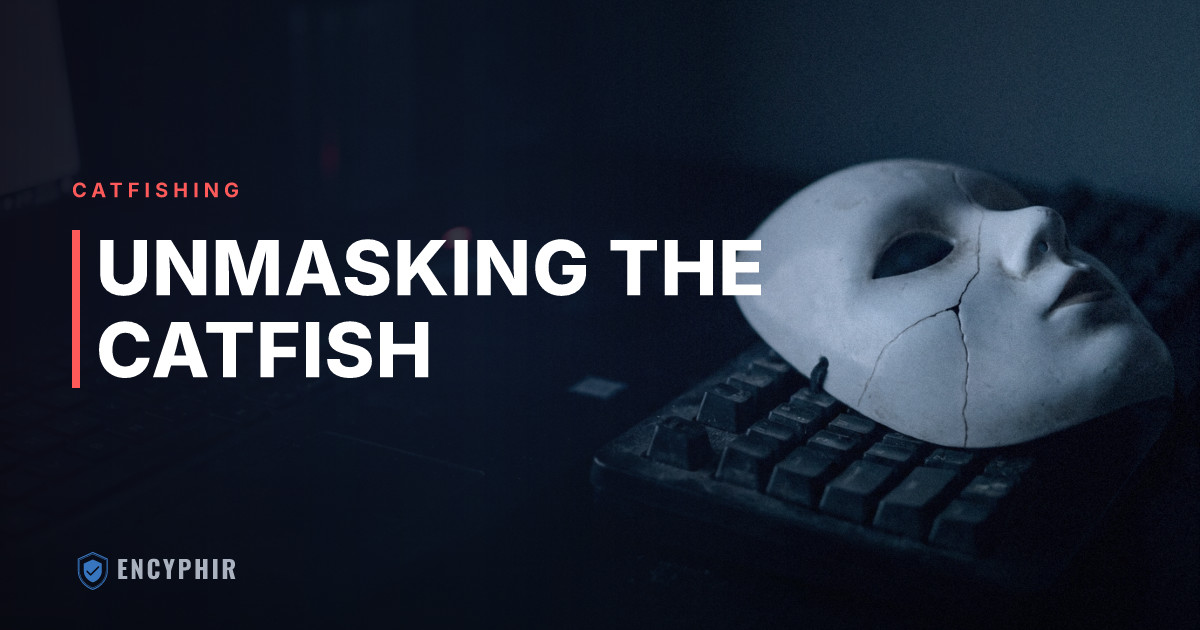
Online dating has become the default way millions of people meet potential partners, but it has also become one of the most fertile grounds for deception. Fake profiles, stolen photos, fabricated careers, and manufactured personas are used every day to manipulate victims emotionally and financially. When something feels off about a match, the difference between suspicion and certainty often comes down to a disciplined open source intelligence (OSINT) workflow. At Encyphir, our investigators use a repeatable process to peel back digital masks and expose who is really on the other side of the screen.
This post walks through the same methodology our team applies when a client asks us to verify the identity of someone they met online. It is not a how-to guide for amateurs; it is a look at how professional investigators combine technology, tradecraft, and legal awareness to deliver answers.
Starting With the Pretext: What the Subject Claims
Every catfish investigation begins with what the subject has told the client. Names, ages, employers, military service, travel history, family details, and even the phrasing of certain messages become the raw material of the inquiry. Investigators map these claims into a structured profile so that each statement can be independently verified or contradicted.
This stage also includes preserving evidence. Screenshots of conversations, profile pages, phone numbers, email addresses, payment app handles, and any images shared by the subject are collected in a forensically sound manner. If the matter later escalates to civil litigation or a criminal referral, chain of custody matters. Our digital forensics team ensures this material is captured with metadata intact and stored defensibly.
Reverse Image and Facial Analysis
Stolen photos are the single most common tell in a catfish scheme. Investigators run every image the subject has shared through multiple reverse image search engines, each of which indexes the web differently. A photo that returns zero results on one platform may surface on another as a stock image, a stolen influencer post, or a years-old profile belonging to someone else entirely.
Beyond simple reverse search, we apply facial similarity tools to compare the subject's photos against social media accounts under different names. When the same face appears under three identities across four platforms, the deception becomes measurable rather than theoretical. Small details such as tattoos, jewelry, background objects, and reflections often reveal where and when a photo was actually taken.
Digital Footprint and Identity Correlation
Once photos are analyzed, investigators pivot to the subject's stated identifiers. A phone number is run through carrier lookups, spam databases, and messaging platform registries to determine whether it is a legitimate mobile line or a VoIP number created hours before the client was contacted. Email addresses are checked against breach databases and account enumeration tools to see what services they are tied to and how long they have existed.
Usernames are often the richest thread to pull. People reuse handles across dating apps, forums, gaming platforms, and social media. A single unique username can unlock years of a person's actual online activity, including their real name, employer, and location. Cross-referencing these findings with public records, corporate filings, and court databases allows investigators to build a verified identity profile and compare it against the pretext.
Behavioral and Financial Red Flags
OSINT is not just about data points; it is about patterns. Investigators look for scripted language reused across romance scam reports, inconsistencies in time zones and posting schedules, and requests for money or cryptocurrency that follow well-documented playbooks. When financial requests are involved, wallet addresses and payment handles are traced through public blockchain records and scam reporting databases.
If the investigation suggests the client's spouse or partner is the one operating a deceptive online persona, the matter shifts into a different lane. Our infidelity and marital investigation services combine OSINT with discreet surveillance to establish the full picture. When a business executive or high-net-worth individual is the target of a romance-based extortion or social engineering attempt, we escalate into due diligence and risk assessment to protect both the person and the enterprise.
Delivering Actionable Findings
The end product of a catfish investigation is not a pile of screenshots. It is a clear, written report that identifies who the subject actually is, what they have misrepresented, what risks they pose, and what the client's options are. Depending on the findings, next steps may include law enforcement referral, civil action, platform reporting, or simply the peace of mind that comes with knowing the truth.
If you suspect that someone in your personal or professional life is not who they claim to be online, do not confront them with fragments. Contact Encyphir for a confidential consultation, and let our investigators build the complete, evidence-backed picture you need to make your next move with confidence.