How Social Media Is Reshaping Modern Investigations
 June 22, 2026
In the span of a single decade, social media has transformed from a casual communication tool into one of the most powerful sources of investigative intelligence available today. Every status update, geotagged photo, comment, and connection request leaves a trail, and that trail often tells a story far more revealing than any interview or document review. For businesses, attorneys, and risk managers, understanding how investigators leverage these digital footprints is no longer optional. It is essential to protecting your organization, your people, and your bottom line.
At Encyphir Risk Management, we have seen firsthand how social media evidence can make or break a case. From uncovering fraudulent workers' compensation claims to verifying executive backgrounds, the platforms people use every day have become indispensable to the modern investigator's toolkit.
The New Investigative Landscape
Traditional investigations once relied heavily on in-person surveillance, public records searches, and witness interviews. While those methods remain critical, they are now complemented by a vast and ever-expanding digital ecosystem. LinkedIn reveals professional associations and employment history. Instagram and Facebook expose lifestyle patterns, relationships, and locations. TikTok and X (formerly Twitter) capture spontaneous statements that can contradict sworn testimony or formal claims.
What makes social media so valuable is its candid nature. People post in the moment, often without considering the long-term implications of sharing personal details with the public. For investigators, this creates a rich vein of corroborating evidence that can verify, supplement, or directly contradict the official narrative of a subject.
Corporate Applications: From Hiring to Misconduct
For corporate clients, social media intelligence has become integral to several core investigative functions. During pre-employment screening and background investigations, reviewing a candidate's public online presence can reveal red flags that traditional reference checks miss entirely, including undisclosed business ventures, inflammatory public statements, or affiliations that may pose reputational risks.
The stakes climb even higher when investigating executive misconduct or internal fraud. Employees engaged in wrongdoing often cannot resist sharing aspects of their lifestyle that are inconsistent with their stated income or duties. Luxury vacations, expensive vehicles, or boastful posts about side ventures can provide the first thread that unravels a larger scheme. Likewise, in cases of intellectual property theft, social media connections between former employees and competitors frequently surface long before any formal evidence is uncovered.
Digital Forensics and the Deeper Layer
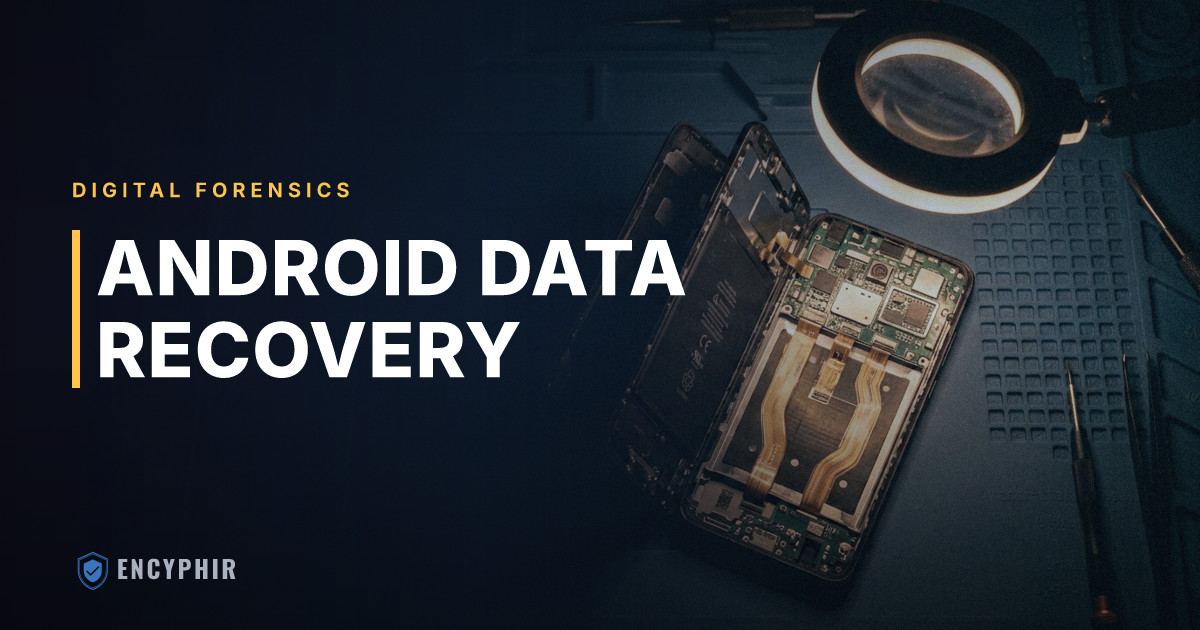
Public posts are only the surface. Modern investigations increasingly require examination of deleted content, private messages obtained through proper legal channels, metadata embedded in images, and account activity logs. This is where digital forensics becomes indispensable. Forensic specialists can recover information that subjects believed was permanently erased, authenticate content to ensure it has not been manipulated, and preserve evidence in a manner that holds up in court.
Metadata alone can be extraordinarily revealing. A single photograph may contain GPS coordinates, a timestamp, and device information that places a subject at a specific location at a specific time. When combined with physical surveillance, this digital corroboration creates a comprehensive picture that is exceptionally difficult to dispute.
The Risks of Doing It Yourself
Many business owners and HR professionals are tempted to conduct their own social media investigations. While a casual search may seem harmless, there are significant legal and procedural pitfalls. Improperly collected evidence can be ruled inadmissible. Creating fake profiles to access private content can violate platform terms of service and, in some jurisdictions, the law. Misinterpreting context can lead to discrimination claims or wrongful termination suits.
Licensed investigators understand the boundaries. They know how to document findings in a manner that preserves chain of custody, how to distinguish between probative evidence and noise, and how to ensure that what is uncovered can actually be used to support legal action or internal decisions.
Looking Ahead
Social media is not slowing down, and neither are the techniques used to investigate it. Artificial intelligence is now being applied to analyze patterns across thousands of posts. Facial recognition tools can identify subjects in photos they never tagged. Open source intelligence, or OSINT, has become a discipline in its own right, blending traditional investigative skills with advanced technical capability.
For organizations that want to stay ahead of these developments, partnering with a firm that lives at the intersection of investigation and technology is the most effective path forward.
If your organization is facing a sensitive matter, considering a major hire, or simply wants to understand its exposure, contact Encyphir Risk Management today. Our licensed investigators bring decades of combined experience and the most current digital tools to every case we accept. Let us help you uncover the truth before it costs you.