How to Find Hidden Cameras in Airbnb, Hotels, and Rental Properties
 April 1, 2025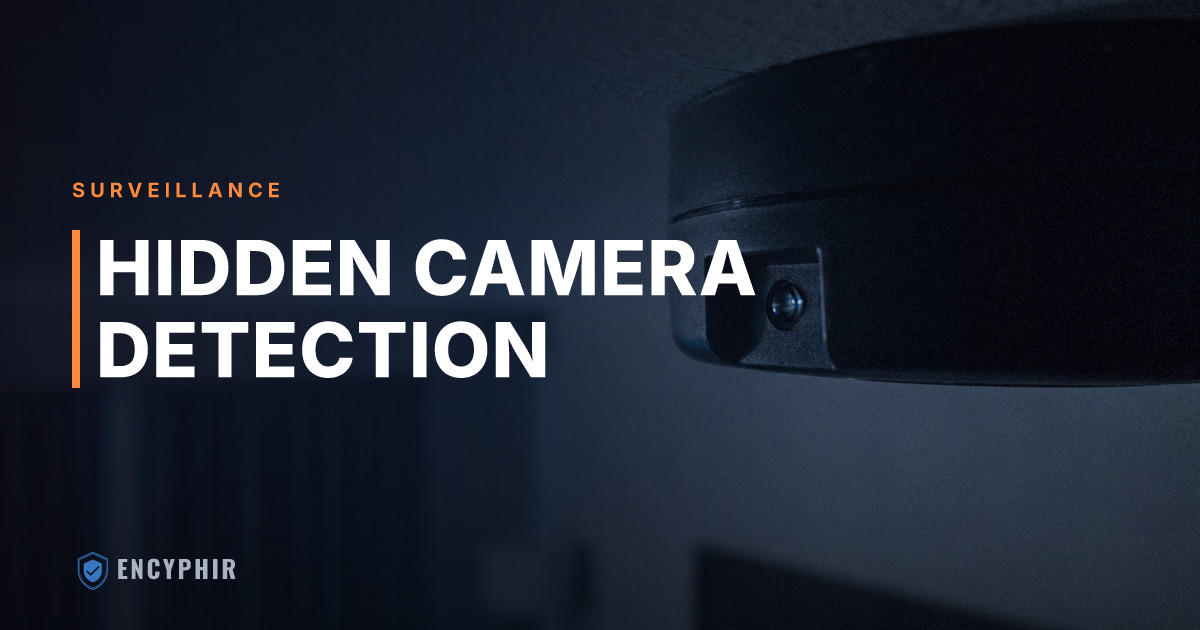
Hidden cameras in vacation rentals, hotel rooms, and short-term stays are a real and growing problem. Reports of guests finding covert recording devices in bedrooms, bathrooms, and living areas surface regularly. The technology to plant them has become cheap and easy to conceal. Knowing how to check your space before you settle in is no longer paranoia. It is basic personal security.
Where Hidden Cameras Are Most Commonly Found
Cameras can be embedded in almost any object. The most common placements in rental properties involve items that face high-traffic areas or private spaces and would not look out of place to a casual observer.
Smoke detectors and alarm devices. Ceiling-mounted devices give wide-angle views of entire rooms. A smoke detector positioned oddly, placed off-center, or with a small dark spot on the casing deserves close inspection.
Clocks and electronic devices. Alarm clocks, charging hubs, and digital photo frames are often used to conceal cameras. The lens is typically less than a millimeter in diameter and can be hidden within a decorative feature.
Air vents and outlet covers. Wall outlets with a slight protrusion or misaligned cover plates are common hiding spots. Air vents pointed toward beds or couches are also worth checking.
Household objects facing intimate areas. Many documented hiding places involve items placed on shelves or counters facing the bed, toilet, or shower. These include shampoo bottles, books, stuffed animals, tissue boxes, and decorative items.
Practical Methods for Detecting Hidden Cameras
You do not need specialized equipment to do a basic sweep. These methods work with what you already carry.
Turn off the lights and look for indicator lights. Many cameras have LED indicators that show in a dark room. Power off the lights, close the blinds, and slowly scan every corner of the space. Small red, green, or white pinpoints of light that do not match a known device are worth investigating.
Use your phone camera to detect infrared. Most night-vision cameras emit infrared light invisible to the naked eye. Smartphone cameras pick it up as a purple or white glow. Open your phone's front-facing camera, since front cameras typically do not have infrared filters. Point it around the room while watching the screen, and check for bright spots that have no obvious source.
Download a camera detection app. Several apps use your phone's camera and Wi-Fi scanning to spot broadcasting devices on the local network. They are not foolproof, but they can flag suspicious devices sharing the property's network.
Inspect mirrors with the fingernail test. Press your fingernail against the mirror's surface. If there is a gap between your fingernail and its reflection, it is a normal mirror. If your fingernail touches its reflection directly, it may be a two-way mirror with a camera behind it.
Physically inspect suspicious objects. If something looks out of place or misaligned, handle it. A tampered object will often feel lighter than expected or have a small opening that does not serve the device's stated purpose.
What to Do If You Find a Hidden Camera
If you find what looks like a recording device, document it right away with photographs before touching anything further. Note the exact location and angle of the device. Do not destroy it. Leave it in place so law enforcement can collect it as evidence.
Contact the property management or hotel right away and request a different room or full refund. Report the discovery to local police. In most jurisdictions, recording someone in a private space without consent is a criminal offense, regardless of where the equipment is located. If you are in an Airbnb, report directly to Airbnb's Trust and Safety team, which has a specific process for these incidents.
Conducting a Systematic Room Sweep
A rushed glance around the room is rarely enough. Guests who find devices almost always do so because they followed a deliberate, repeatable process. Start at the door and work clockwise around the room, checking each wall from floor to ceiling before moving on. This prevents the common mistake of scanning the obvious sightlines while ignoring corners, baseboards, and ceiling joins where pinhole lenses are easily concealed.
Pay close attention to any object positioned with a clear view of the bed, bathroom door, or dressing area. Covert cameras are almost always aimed at places where guests undress or sleep. Those recordings carry the highest value to the person who planted them. An ordinary tissue box on a nightstand is unremarkable. A tissue box angled precisely toward the bed, with a small circular depression on one side, is not.
Do not overlook items the previous guest might have left behind. Portable chargers, USB wall adapters, and even hairbrushes have been found to contain cameras. A "forgotten" item left plugged in near the bed is a known concealment tactic. If you find a device you cannot identify, unplug it and set it outside the main living area until you can examine it more carefully.
Understanding the Networks Cameras Use
Most modern covert cameras transmit footage wirelessly, either over the property's Wi-Fi or through their own cellular connection. Understanding these two categories changes how you search. A camera that uses the rental's Wi-Fi will appear on that network. A free app that lists connected devices may flag it by MAC address or manufacturer name. Watch for unfamiliar manufacturers with names suggesting imaging hardware, or generic device labels like "IPC" or "CAM."
Cellular cameras are harder to find because they run independently of any network you can see. These devices contain a SIM card and send footage directly to the operator over 4G or 5G. They are becoming more common in higher-end covert surveillance because they work even if the Wi-Fi password is rotated. Detecting cellular devices generally requires a radio frequency detector that can spot active transmissions across the relevant bands. That is why thorough professional sweeps go well beyond what an app can do. For sensitive environments, our security consulting team helps clients understand the threat level they actually face and what countermeasures are proportionate.
Workplace, Executive, and Legal Scenarios
Hidden cameras are not limited to short-term rentals. We routinely respond to concerns from executives who suspect eavesdropping in their offices, boardrooms, or company vehicles. We also hear from attorneys preparing to hold privileged conversations in conference spaces that may not be secure. Disputes involving executive misconduct, contested terminations, and insider threat matters often involve claims that private conversations were captured without consent. The integrity of the environment matters as much as the integrity of the investigation itself.
Law firms handling high-stakes litigation face a particular exposure. A camera or microphone placed in a deposition room, client meeting space, or hotel suite used during trial prep can compromise privilege and strategy in ways that are difficult to unwind. Firms that represent corporate clients in competitive industries, contested divorces, or executive disputes should treat counter-surveillance as part of standard case prep rather than an afterthought. Our law firm services include sweeps of offices, conference facilities, and off-site meeting locations on demand.
Domestic situations present their own pattern. In contested separations and custody disputes, one spouse occasionally places cameras in the shared home, a vehicle, or a child's bedroom without the other party's knowledge. These devices are sometimes found by accident during a routine cleaning and sometimes surface during a formal sweep requested by counsel. When they appear in connection with a suspected affair or hidden relationship, our cheating spouse investigators coordinate with counsel to preserve the finding properly. Our digital forensics examiners can recover cloud-synced footage and account data that ties the device to a specific person.
Traveling Smart: Habits That Reduce Your Exposure
A few consistent habits reduce your exposure whether you are staying in a hotel for one night or a short-term rental for a month. Before you unpack, walk the space and photograph every room from multiple angles. This gives you a baseline to compare against anything that appears or moves during your stay. Unplug and store any item you do not intend to use, especially decorative clocks, docking stations, and unfamiliar smart-home devices. If a device cannot be unplugged because it is hardwired, drape a towel or article of clothing over it when you are changing or sleeping.
Avoid connecting personal devices to the property's Wi-Fi for sensitive work. Use a cellular hotspot or a trusted virtual private network instead. This does not detect cameras, but it prevents a compromised network from harvesting credentials or session data while you focus on other concerns. Business travelers who routinely stay in unfamiliar properties should treat every rental environment as untrusted by default. This is especially true for those handling trade secrets or client information.
When you book, read recent reviews for the words "camera," "recording," "privacy," or "spy." Guests who have found devices usually say so publicly, and the platforms rarely remove those reviews unless the host successfully disputes them. Avoid hosts with a pattern of complaints that hint at surveillance, even if no device was ever confirmed.
When to Bring in Professional Help
If you have reason to believe you are being surveilled at a rental property, workplace, or personal residence, a professional counter-surveillance sweep provides a level of detection no app can match. Our investigators use radio frequency detectors, nonlinear junction detectors, and physical inspection protocols to locate devices across a full range of frequencies and concealment methods.
We conduct residential and commercial bug sweeps for individuals, executives, legal teams, and corporate clients. If privacy and the integrity of your space matter, a professional sweep removes uncertainty entirely.
Contact Encyphir Risk Management to schedule a sweep or discuss your specific situation with a licensed investigator. When hidden cameras surface in a marital home or short-term rental used by a partner, our cheating spouse investigators can integrate the finding into a broader investigation. Our background investigations team can vet property owners or managers when ownership itself is in question.