How to Investigate a Data Breach: The Investigator's Role
 April 29, 2026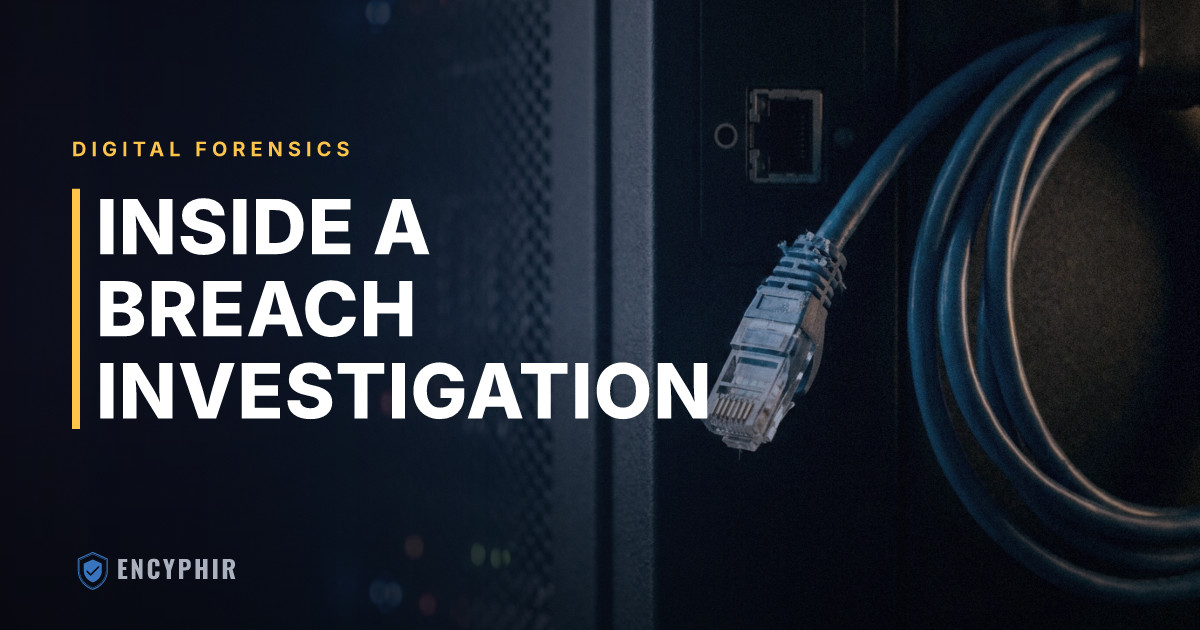
When a data breach strikes, the clock starts ticking immediately. Every minute that passes without a structured investigation increases the risk of further data loss, regulatory penalties, and lasting reputational damage. While IT departments play a critical role in containment, it is the professional investigator who brings the discipline, methodology, and legal awareness necessary to determine what happened, who was responsible, and how to prevent it from happening again.
Understanding the investigator's role in a data breach response is essential for any organization that wants to move beyond panic and toward resolution.
Why a Professional Investigator Is Essential
Many organizations make the mistake of treating a data breach as a purely technical problem. They task their IT team with finding the vulnerability, patching it, and moving on. But a data breach is rarely just a technology failure. It often involves human factors such as insider threats, social engineering, employee negligence, or deliberate corporate espionage.
A licensed investigator brings a different perspective to the table. Investigators are trained to follow evidence chains, conduct interviews, preserve documentation for legal proceedings, and identify patterns that may not be visible to someone focused solely on the technical infrastructure. They also understand how to conduct an investigation in a manner that holds up under legal scrutiny, which is critical when litigation, insurance claims, or regulatory reporting is involved.
At Encyphir, our digital forensics team combines technical expertise with investigative methodology to deliver findings that are both technically sound and legally defensible.
The First 48 Hours: Containment and Preservation
The initial response to a data breach sets the tone for the entire investigation. During the first 48 hours, the investigator's primary objectives are containment, preservation, and initial assessment.
Containment means stopping the bleeding. This involves working alongside IT to isolate compromised systems, revoke unauthorized access, and prevent additional data from being exfiltrated. However, containment must be handled carefully. Shutting down systems prematurely or wiping compromised devices can destroy critical evidence.
Preservation is where the investigator's training becomes indispensable. Forensic imaging of affected systems, securing access logs, preserving email communications, and documenting the state of the environment at the time of discovery are all essential steps. This evidence must be collected and stored using proper chain of custody protocols to ensure it remains admissible in court or regulatory proceedings.
The initial assessment provides stakeholders with a preliminary understanding of the scope, the type of data affected, and the likely attack vector. This assessment informs the organization's notification obligations and helps leadership make informed decisions about next steps.
Tracing the Source: Digital Forensics and Evidence Analysis
Once containment is achieved and evidence is preserved, the investigator turns to the core analytical work. This phase involves a deep dive into log files, network traffic records, system artifacts, and user activity histories to reconstruct the timeline of the breach.
Key questions during this phase include: How did the attacker gain access? What credentials or vulnerabilities were exploited? How long did the attacker have access before detection? What data was accessed, copied, or exfiltrated? Was the breach the result of an external attack, an insider threat, or a combination of both?
Answering these questions requires specialized forensic tools and, more importantly, an investigator who knows how to interpret the results within a broader context. Technical artifacts tell one part of the story, but interviews with employees, reviews of access policies, and analysis of organizational procedures often reveal the full picture.
In cases where the breach involves employee misconduct or internal fraud, the investigation may expand to include background reviews, communication analysis, and coordination with legal counsel.
Reporting and Legal Coordination
A thorough investigation is only valuable if its findings are communicated clearly and in a format that serves the organization's needs. The investigator prepares a detailed report that documents the methodology used, the evidence collected, the findings, and recommendations for remediation.
This report serves multiple audiences. Executives need a clear summary to guide business decisions. Legal counsel needs detailed documentation to support potential litigation or regulatory responses. Compliance teams need actionable findings to satisfy notification requirements under laws such as HIPAA, CCPA, or state breach notification statutes.
The investigator also works closely with attorneys to ensure the investigation is structured in a way that may qualify for attorney-client privilege protections, helping shield sensitive findings from unnecessary disclosure during litigation.
Building a Stronger Defense for the Future
The final, and arguably most important, phase of a data breach investigation is turning findings into prevention. A skilled investigator does not simply identify what went wrong; they provide concrete recommendations for strengthening the organization's defenses.
This may include improvements to access controls, employee training programs, vendor management practices, incident response planning, and ongoing monitoring protocols. Pairing investigative findings with a comprehensive security consulting engagement ensures that lessons learned translate into lasting organizational change.
Data breaches are not a matter of if, but when. The organizations that recover fastest and suffer the least damage are those that have a professional investigator ready to respond.
Protect Your Organization Before the Next Breach
If your organization has experienced a data breach, or if you want to ensure you are prepared when one occurs, Encyphir can help. Our team of licensed investigators and digital forensics specialists delivers the expertise you need to respond decisively, preserve critical evidence, and build a stronger security posture for the future. Contact Encyphir today to discuss your situation in confidence.