Is It Legal to Put a Tracker on Someone's Car? What Businesses and Individuals Need to Know
 April 4, 2026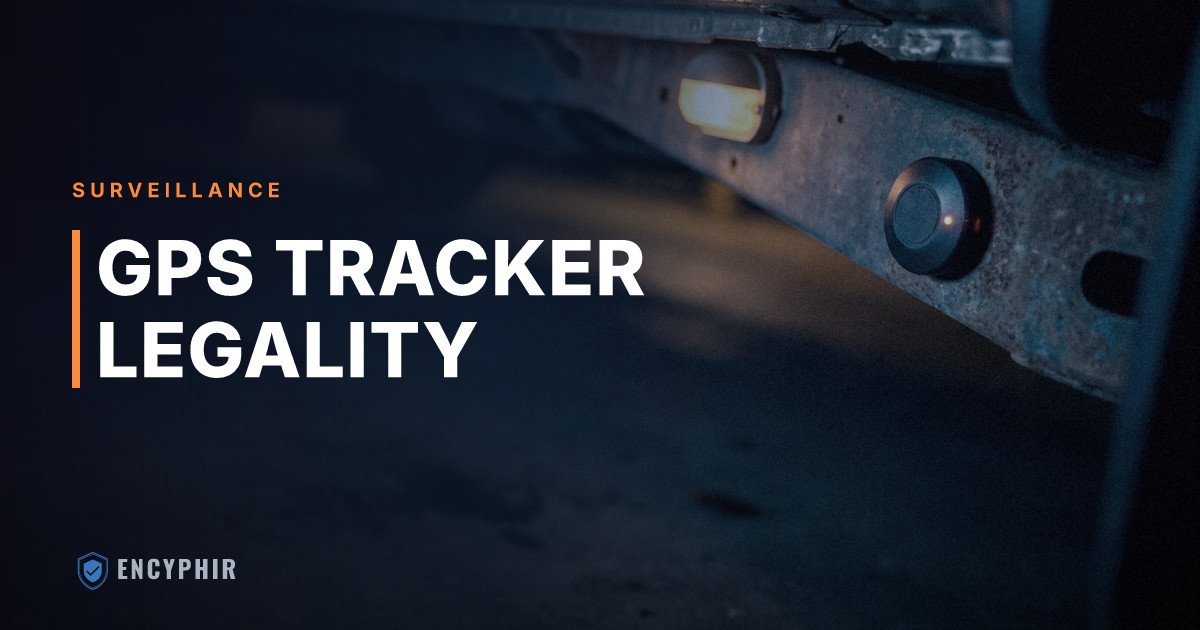
When suspicions arise, GPS tracking often seems like the most straightforward solution. This applies to corporate asset protection, fleet management, insurance fraud, and sensitive personal matters. But before anyone attaches a tracking device to a vehicle, one critical question must be answered first: Is it legal?
The answer is not a simple yes or no. The legality of placing a GPS tracker on someone's car depends on several factors:
- Who owns the vehicle
- The jurisdiction you're operating in
- The purpose of the tracking
- Whether proper consent has been obtained
Getting it wrong can expose individuals and businesses to criminal charges, civil liability, and the loss of any evidence collected.
At Encyphir Risk Management, we navigate these legal complexities every day for our clients through our surveillance services. Here's what you need to know before considering vehicle tracking as part of an investigation or security strategy.
Federal Law and the Foundation of GPS Tracking Regulations
At the federal level, the landmark United States v. Jones (2012) Supreme Court decision established a key rule. Attaching a GPS device to a vehicle and using it to monitor movement is a search under the Fourth Amendment. This ruling primarily restricts law enforcement, requiring a warrant before placing a tracker on a suspect's vehicle. It also set a broader legal precedent that has shaped how courts view GPS tracking across all contexts.
For private citizens and businesses, federal law does not provide a single, comprehensive statute governing GPS tracker use. Instead, the legality is largely determined by state laws, which vary significantly from one jurisdiction to another. This patchwork of regulations makes it essential to understand the rules specific to your location before taking any action.
When GPS Tracking Is Generally Legal
There are several scenarios where placing a GPS tracker on a vehicle is typically lawful:
- Vehicles you own: If you are the registered owner, most states permit you to place a tracking device on it. This is common in corporate fleet management, where businesses track company-owned vehicles for logistics, safety, and accountability.
- Employer-owned vehicles: Companies generally have the legal right to monitor vehicles they own and provide to employees. However, best practices and some state laws require that employees be informed through written policies or employment agreements.
- Parental monitoring: In most jurisdictions, parents may place trackers on vehicles they own or register that their minor children drive.
- Consent-based tracking: When the vehicle owner or primary driver provides explicit consent, tracking is typically permissible regardless of jurisdiction.
The common thread is ownership or consent. When you own the vehicle or have authorization from the person who does, GPS tracking generally falls within legal boundaries.
When GPS Tracking Crosses the Line
Placing a GPS tracker on a vehicle you do not own, without the owner's knowledge or consent, is where serious legal problems begin. Many states have enacted specific statutes that make unauthorized GPS tracking a criminal offense. Depending on the jurisdiction, violations can result in:
- Criminal misdemeanor or felony charges
- Civil lawsuits for invasion of privacy
- Restraining orders or protective orders
- Suppression of any evidence obtained through the tracking
States like California, Texas, New York, Florida, and Virginia have explicit laws addressing unauthorized electronic tracking. Some states classify it as stalking or harassment, particularly in domestic disputes. Even in states without specific GPS tracking statutes, general privacy laws and anti-stalking laws can apply.
For businesses, the risks extend beyond criminal exposure. Unauthorized tracking can result in reputational damage, regulatory scrutiny, and the complete invalidation of an investigation's findings in legal proceedings. Evidence obtained illegally is not just useless; it can actively harm your case.
Why Professional Investigators Make the Difference
Experienced, licensed investigators are invaluable when surveillance or GPS tracking is part of an investigative strategy. At Encyphir Risk Management, our team understands the legal landscape at both the state and federal level. We ensure that every method used in an investigation is legally defensible, properly documented, and compliant with all applicable regulations.
A licensed private investigation firm brings several critical advantages:
- Jurisdictional expertise to determine what is and isn't permissible in your specific state or municipality
- Proper legal coordination with attorneys to ensure evidence will hold up in court
- Alternative surveillance methodologies when GPS tracking is not legally viable
- Chain-of-custody documentation that protects the integrity of findings
- Risk assessment to weigh the benefits of tracking against potential legal and ethical exposure
Rather than risking a costly mistake by going it alone, organizations and individuals benefit from working with professionals who know exactly where the legal lines are drawn.
Marital Property, Joint Ownership, and the "Shared Vehicle" Trap
GPS tracking law involving jointly owned or shared vehicles is often misunderstood. This includes vehicles shared between spouses, partners, or family members. Many people assume that if their name appears on the title, or if they occasionally drive the vehicle, they have unrestricted authority to place a tracker on it. The reality is far more nuanced. Getting it wrong can have severe consequences in family court, divorce proceedings, or custody disputes.
Courts have increasingly questioned tracking between spouses. This is especially true when one party has effectively taken possession of a vehicle as their primary driver. Even in community-property states, judges have suppressed tracking evidence. In some cases, they have sanctioned the spouse who installed the device. In contested divorces, an ill-advised tracker can transform a straightforward case into an allegation of harassment or domestic abuse, shifting leverage to the other side.
If you suspect a spouse of infidelity or hidden assets, the safer approach is to engage licensed professionals who can apply lawful investigative techniques. Our infidelity investigations team and digital forensics specialists use court-tested methods that preserve evidentiary value. These methods also keep clients on the right side of privacy and anti-stalking statutes. The same applies to individuals vetting a new partner. Our online match investigation services provide answers without the legal exposure of DIY surveillance.
Corporate Fleet Tracking: Policies, Disclosures, and Employee Privacy
For businesses managing company vehicles, GPS tracking is both a legitimate tool and a compliance minefield. Simply owning the vehicle is not always the end of the analysis. Several states, including Connecticut, Delaware, and New York, require employers to provide written notice before electronically monitoring employees. Other jurisdictions imply notice requirements through broader labor and privacy statutes. Union contracts frequently add obligations on top of state law.
Effective corporate tracking programs include several key elements:
- Clearly written policies that employees acknowledge in writing
- Defined business purposes for the monitoring, such as safety, routing, timekeeping, or asset recovery
- Limitations on after-hours tracking when personal use of the vehicle is permitted
- Data retention and access controls that restrict who inside the organization can view location data
When these elements are missing, companies expose themselves to wrongful termination claims, wage-and-hour disputes tied to off-the-clock tracking, and invasion-of-privacy lawsuits that can reach well into six figures.
For organizations building or refining a vehicle monitoring program, our security consulting and corporate investigations team help design policies that balance operational needs with legal compliance. When tracking data suggests internal misconduct, theft, or diversion of assets, our investigators and Certified Fraud Examiners can convert raw location data into admissible evidence. This supports disciplinary action, insurance claims, or civil recovery.
High-Risk Scenarios Where Tracking Often Backfires
Certain situations almost always produce bad outcomes when a tracker is deployed without professional guidance. These include:
- Monitoring an estranged partner's vehicle after a separation
- Tracking an executive suspected of leaking trade secrets without coordinating with counsel
- Using consumer-grade AirTags or similar devices on property you don't own
- Placing a tracker on a rental, leased, or financed vehicle where the titled owner is a third party
In each scenario, the person or company doing the tracking often believes they have a legitimate purpose. The problem is that intent alone does not create legal authority. A suspicious spouse still commits a crime in most states by tracking a vehicle titled solely to the other party. A company that tracks an executive's personal car, even one used for some business purposes, can face claims of tortious invasion of privacy. When competitive intelligence is the goal, lawful approaches through our competitive intelligence services produce usable insights without the legal exposure of covert tracking.
Practical Steps Before You Consider a Tracker
If you're weighing whether to deploy GPS tracking, a structured approach dramatically reduces risk. Start by confirming ownership through the vehicle's title, not the registration or insurance documents. Those documents can list additional drivers without conferring ownership rights. Next, document your legitimate purpose in writing, whether that's fleet safety, suspected fraud, or asset protection. Then consult with counsel or a licensed investigator about the specific state law that applies. Remember that the vehicle's location, the driver's residence, and your own jurisdiction can all factor into the analysis.
Consider whether less invasive alternatives will accomplish your objective. Physical surveillance, open-source intelligence, financial records analysis, and digital forensics often produce equivalent or superior evidence without the risks of tracker placement. When tracking truly is the right tool, ensure that installation, monitoring, and data retention are handled by trained professionals who can testify to chain of custody if the matter ends up in court.
The Bottom Line: Legal Compliance Is Non-Negotiable
GPS tracking can be an extraordinarily effective tool in investigations, corporate security, and risk management. But it only works when deployed lawfully. The consequences of unauthorized tracking are severe and can undermine the very objectives you're trying to achieve. Ownership, consent, jurisdiction, and purpose all matter. The details make the difference between a successful investigation and a legal liability.
Before placing a tracker on any vehicle, consult with professionals who understand both the investigative and legal dimensions of surveillance.
Need answers about GPS tracking, surveillance, or an ongoing investigation? The licensed investigators at Encyphir Risk Management are here to help. Explore our surveillance services, our infidelity and cheating spouse team for personal matters, or contact us today for a confidential consultation and let our team develop a compliant, effective strategy tailored to your situation.