Night Surveillance: Techniques and Legal Considerations for Business Clients
 May 26, 2026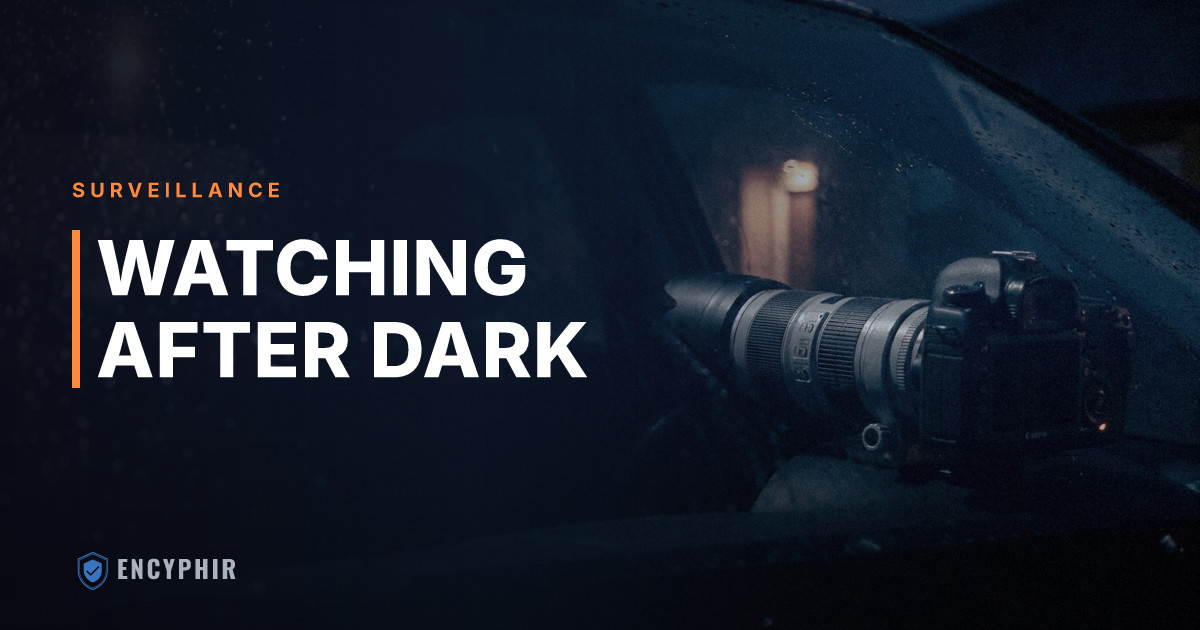
Night Surveillance: Techniques and Legal Considerations
When the sun goes down, investigative work becomes exponentially more complex. Reduced visibility, heightened subject awareness, and shifting legal boundaries all converge to make night surveillance one of the most technically demanding services a professional investigator can offer. Yet for many corporate clients, the hours between dusk and dawn are precisely when critical evidence emerges. Inventory theft, unauthorized after-hours access, executive misconduct, and competitive intelligence breaches frequently occur under the cover of darkness. Understanding how skilled investigators conduct nighttime operations, and the legal framework that governs them, is essential for any organization considering this investigative tool.
Why Night Surveillance Demands Specialized Expertise
Night surveillance is not simply daytime surveillance conducted in the dark. The operational environment fundamentally changes after sunset. Ambient light disappears, headlights make following vehicles more conspicuous, foot traffic thins (eliminating cover for investigators), and human alertness patterns shift on both sides of the lens. A surveillance operative who excels during business hours may struggle to maintain effective coverage at 2:00 a.m. without specialized training and equipment.
Businesses typically engage night surveillance for a specific set of concerns: suspected after-hours theft by employees or contractors, verification of workers' compensation claims involving nightlife activity, monitoring of facilities outside operating hours, and discreet observation of subjects who conduct sensitive activities only under cover of darkness. Each scenario requires a tailored operational plan.
Core Techniques Used by Professional Investigators
Modern night surveillance relies on a combination of optics, positioning, and patience. Professional operatives use thermal imaging devices that detect heat signatures regardless of available light, allowing identification of human and vehicle activity at considerable distances. Generation 3 and Generation 4 night vision optics amplify ambient light from stars and the moon to produce clear imagery without the telltale glow of infrared illuminators that subjects can sometimes detect.
Vehicle positioning becomes critical. Investigators must select observation points that provide clear sightlines while avoiding the silhouetting effect created by streetlights and passing headlights. Engine heat, exhaust vapor in cold weather, and even the faint glow of a smartphone screen can compromise a position. Skilled operatives plan for blackout protocols before they ever arrive on site.
Mobile surveillance at night requires larger following distances, careful use of running lights, and frequently a two-vehicle rotation to prevent the subject from noticing the same vehicle behind them across multiple turns. When stationary observation is appropriate, our surveillance team deploys covert camera systems with low-light sensors and remote monitoring capability, allowing evidence collection without continuous on-site presence.
Legal Considerations That Define the Boundaries
The legal framework governing night surveillance mirrors daytime rules in most respects, but several nuances become particularly important after dark. Surveillance must occur from locations where the investigator has a lawful right to be, and the subject must not have a reasonable expectation of privacy in the activity being observed. Photographing a subject loading boxes into a vehicle in a parking lot is generally permissible; using thermal imaging to detect activity inside a private residence is not.
Trespass laws are strictly enforced at night, and courts often view nighttime trespass more severely than daytime equivalents. Audio recording introduces additional complexity, as state wiretapping statutes vary significantly, with some jurisdictions requiring all-party consent. GPS tracking deployment must comply with both state statutes and recent federal case law regarding vehicle ownership and consent.
For matters that may lead to litigation, chain of custody protocols are non-negotiable. When investigations intersect with digital evidence, such as access logs or surveillance footage from third-party systems, coordination with digital forensics specialists ensures that evidence remains admissible. Likewise, attorneys preparing cases that depend on nighttime observations benefit from working with investigators who routinely support legal teams and understand evidentiary standards.
Common Pitfalls Businesses Should Avoid
Organizations sometimes attempt to handle suspected after-hours misconduct internally, often by assigning security staff or managers to watch a facility. This approach frequently fails. Untrained personnel are easily detected, may inadvertently violate privacy laws, and rarely produce evidence that survives legal scrutiny. Worse, a botched internal investigation can alert the subject, destroy the opportunity for meaningful evidence collection, and expose the company to claims of harassment or wrongful termination.
Another common error is initiating surveillance without a clearly defined objective. Effective night operations begin with a written investigative plan: what behavior is suspected, what evidence would confirm or refute it, what the operational timeframe is, and how findings will be documented and reported.
Partner With Professionals Who Understand the Dark Hours
Night surveillance, executed properly, can resolve questions that no other investigative method can answer. Executed poorly, it creates liability and destroys cases before they reach a courtroom. If your organization is facing suspected after-hours misconduct, internal theft, or any concern that demands discreet nighttime observation, contact Encyphir to discuss a tailored surveillance strategy. Our licensed investigators bring the equipment, experience, and legal awareness necessary to deliver results that hold up under scrutiny.