Ponzi Scheme Investigations: How Fraud Examiners Unravel the Scheme
 July 28, 2026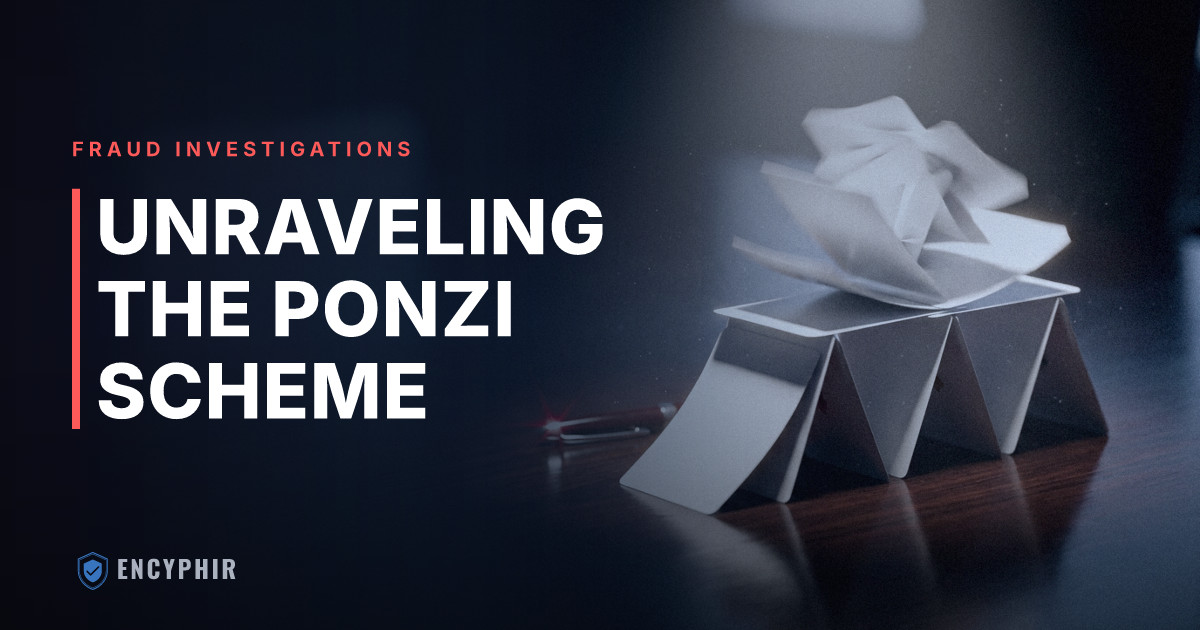
Ponzi schemes remain one of the most damaging forms of financial fraud, wiping out retirement savings, corporate reserves, and investor confidence with startling speed. Named after Charles Ponzi, these schemes rely on a deceptively simple mechanism: funds from new investors are used to pay returns to earlier ones, creating the illusion of a profitable enterprise. The fraud persists only as long as new money flows in. When it stops, the entire structure collapses.
For businesses, family offices, and legal teams facing potential exposure, understanding how fraud examiners dismantle these schemes is essential. Ponzi investigations are rarely straightforward. They involve layered entities, offshore accounts, forged documents, and sophisticated cover stories designed to withstand casual scrutiny. Below, we walk through the process professional investigators use to unravel these schemes and protect victims from further harm.
Recognizing the Warning Signs
Before an investigation begins, someone must first suspect that something is wrong. Fraud examiners look for a familiar pattern of red flags: consistently high returns regardless of market conditions, vague or overly complex investment strategies, difficulty withdrawing funds, unregistered securities, and unlicensed sellers. Statements may arrive irregularly or contain inconsistencies. Promoters often rely heavily on personal relationships, religious affiliations, or exclusive-sounding opportunities to build trust.
Corporate victims frequently discover exposure through a triggering event: a missed distribution, a whistleblower complaint, or a regulatory inquiry. At that point, engaging experienced investigators quickly is critical. Every day of delay allows assets to move further offshore and evidence to disappear.
Building the Financial Timeline
The foundation of any Ponzi investigation is a meticulous financial reconstruction. Fraud examiners begin by gathering bank records, wire transfer logs, brokerage statements, tax filings, and internal accounting records. From this raw data, they build a comprehensive timeline showing how funds moved between entities, individuals, and jurisdictions.
This process almost always reveals telltale signs of a Ponzi structure. Investigators trace deposits from new investors and match them against distributions to earlier ones. They identify shell companies used as pass-through vehicles, spot personal expenditures disguised as business costs, and quantify the shortfall between claimed assets and actual holdings. In many cases, the promised investment activity never occurred at all. The alleged trading accounts are empty, and the reported returns are entirely fabricated.
Our corporate investigations team routinely partners with forensic accountants and legal counsel to construct these timelines in a format that stands up in court.
Digital Forensics and Electronic Evidence
Modern Ponzi schemes leave extensive digital footprints. Fraud examiners rely on digital forensics to recover deleted emails, examine metadata on falsified account statements, and analyze communications between the scheme's operators and their victims. Encrypted messaging apps, cryptocurrency wallets, and cloud storage accounts often hold the most incriminating evidence.
Investigators also examine devices for signs of document manipulation. When a promoter produces a polished PDF statement showing a healthy account balance, forensic analysis can often prove the file was generated internally rather than issued by a legitimate custodian. Metadata comparisons, template analysis, and timestamp reviews frequently expose fabrication.
In cross-border cases, digital forensics may also reveal the true location of operators who claim to be based in reputable financial centers but actually operate from jurisdictions with weak enforcement.
Interviews, Surveillance, and Asset Tracing
Documents and digital evidence tell part of the story, but human intelligence fills in the rest. Skilled investigators conduct interviews with former employees, disgruntled partners, back-office staff, and early investors. These conversations often surface details that never appear in official records: internal nicknames for shell accounts, undisclosed relationships, or the identities of silent participants.
When operators become aware of an investigation, they frequently attempt to move assets or flee. Targeted surveillance can document these movements, identify undisclosed properties, and confirm associations with co-conspirators. Combined with public records research and background investigations, surveillance helps build a complete picture of where recoverable assets may still exist.
Asset tracing is often the most valuable outcome for victims. Even when criminal prosecution is pursued, civil recovery depends on locating funds before they vanish into untraceable structures.
Protecting Your Organization Going Forward
The best defense against a Ponzi scheme is prevention. Rigorous due diligence on investment managers, counterparties, and joint venture partners can identify problems before capital is committed. Verification of licensing, custody arrangements, audit relationships, and principal backgrounds should be standard practice for any significant financial engagement.
If you suspect your organization has been targeted, or if you need to verify the legitimacy of an investment relationship, do not wait for the losses to mount. Contact Encyphir Risk Management today to speak with an experienced fraud examiner. Our team combines investigative expertise, forensic capability, and discretion to help clients uncover the truth and pursue meaningful recovery.