Private Investigators Using Drones for Surveillance: What You Need to Know
 April 30, 2026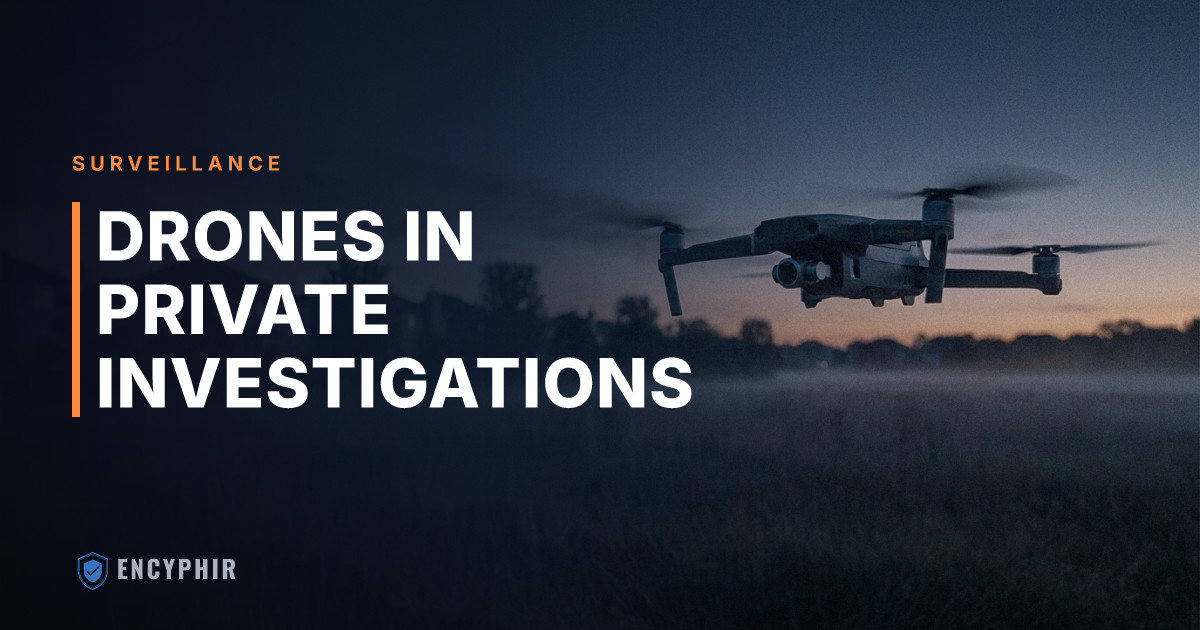
The Rise of Drone Technology in Private Investigations
Drone technology has transformed industries ranging from agriculture to filmmaking, and the field of private investigation is no exception. Unmanned aerial vehicles (UAVs) offer investigators a powerful new vantage point, enabling them to gather visual intelligence from angles and altitudes that were previously impossible or prohibitively expensive. For corporate clients, law firms, and individuals seeking answers, drones represent a compelling evolution in how professional surveillance is conducted.
But with great capability comes significant responsibility. The use of drones in private investigations raises important questions about legality, ethics, and effectiveness. Understanding these factors is essential for anyone considering drone-assisted surveillance as part of a broader investigative strategy.
How Drones Are Used in Investigative Surveillance
Private investigators deploy drones in a variety of scenarios where traditional ground-level surveillance falls short. Some of the most common applications include:
- Insurance fraud investigations: Drones can capture aerial footage of subjects who claim physical disabilities yet engage in strenuous activities on their property, such as roofing, landscaping, or recreational sports.
- Corporate investigations: When investigating potential theft, unauthorized facility use, or security vulnerabilities, drones provide a discreet overhead perspective that complements ground-based observation. This is particularly valuable in corporate misconduct investigations where documenting activity at large facilities or remote sites is necessary.
- Missing persons and skip tracing: Drones equipped with thermal imaging can cover large areas of terrain quickly, assisting investigators in locating individuals in rural or hard-to-access locations.
- Asset searches and property documentation: Aerial photography can reveal undisclosed assets, property conditions, or land use that may be relevant to litigation or due diligence efforts.
The ability to capture high-resolution video and photography from above, often without alerting the subject, makes drones a uniquely effective tool when deployed by trained professionals.
Legal Considerations and FAA Regulations
One of the most critical aspects of drone surveillance is compliance with federal, state, and local laws. The Federal Aviation Administration (FAA) governs all drone operations in the United States, and private investigators must adhere to strict guidelines.
Key regulatory requirements include:
- Part 107 certification: Commercial drone operators, including private investigators, must hold an FAA Remote Pilot Certificate. This requires passing a knowledge test and maintaining compliance with ongoing regulations.
- Airspace restrictions: Drones cannot be flown in restricted airspace, near airports, or above certain altitudes without prior authorization.
- Line-of-sight requirements: Operators must maintain visual contact with the drone at all times unless a waiver has been obtained.
- Privacy laws: While federal law primarily addresses airspace safety, many states have enacted specific statutes governing drone surveillance. Some jurisdictions prohibit the use of drones to capture images of individuals in places where they have a reasonable expectation of privacy, such as inside their homes or in enclosed backyards.
Violating these regulations can result in significant fines, criminal penalties, and the inadmissibility of any evidence collected. This is precisely why working with a licensed investigation firm that understands the legal landscape is so important.
Ethical Boundaries and Best Practices
Beyond legal compliance, ethical considerations play a central role in responsible drone use. A reputable investigative firm will never deploy drone technology in a manner that violates an individual's reasonable expectation of privacy or crosses legal boundaries simply to obtain a desired result.
Best practices for ethical drone surveillance include:
- Conducting a thorough legal review before any drone deployment to ensure compliance with applicable state and local privacy statutes.
- Using drones only when traditional surveillance methods are insufficient or impractical.
- Limiting data collection to information directly relevant to the investigation.
- Securing all captured footage with proper chain-of-custody protocols, particularly when evidence may be used in litigation or administrative proceedings.
- Integrating drone surveillance with complementary methods, such as digital forensics, to build a comprehensive and legally defensible case.
When handled professionally, drone surveillance enhances the quality of an investigation without compromising the rights of any party involved.
Why Professional Expertise Matters
The accessibility of consumer drones has led some to believe that aerial surveillance is something anyone can do. In reality, effective and lawful drone surveillance requires a combination of piloting skill, investigative experience, legal knowledge, and technological proficiency. An inexperienced operator risks crashing equipment, alerting subjects, violating airspace regulations, or collecting evidence that is ultimately inadmissible.
Professional investigators bring a strategic approach to drone deployment. They understand when aerial surveillance adds value, how to integrate it with ground operations, and how to document findings in a manner that holds up under legal scrutiny. This level of expertise is what separates actionable intelligence from footage that serves no practical purpose.
Partner with Encyphir for Professional Surveillance Solutions
At Encyphir Risk Management, we combine cutting-edge technology with decades of investigative experience to deliver results our clients can rely on. Whether your case involves corporate fraud, insurance claims, litigation support, or security assessments, our licensed investigators deploy the right tools and techniques for every situation.
If you need professional surveillance services that are legally compliant, ethically sound, and strategically effective, we are ready to help. Contact Encyphir today to discuss how our team can support your next investigation.