TSCM Explained: Technical Surveillance Countermeasures and Why They Matter
 April 29, 2025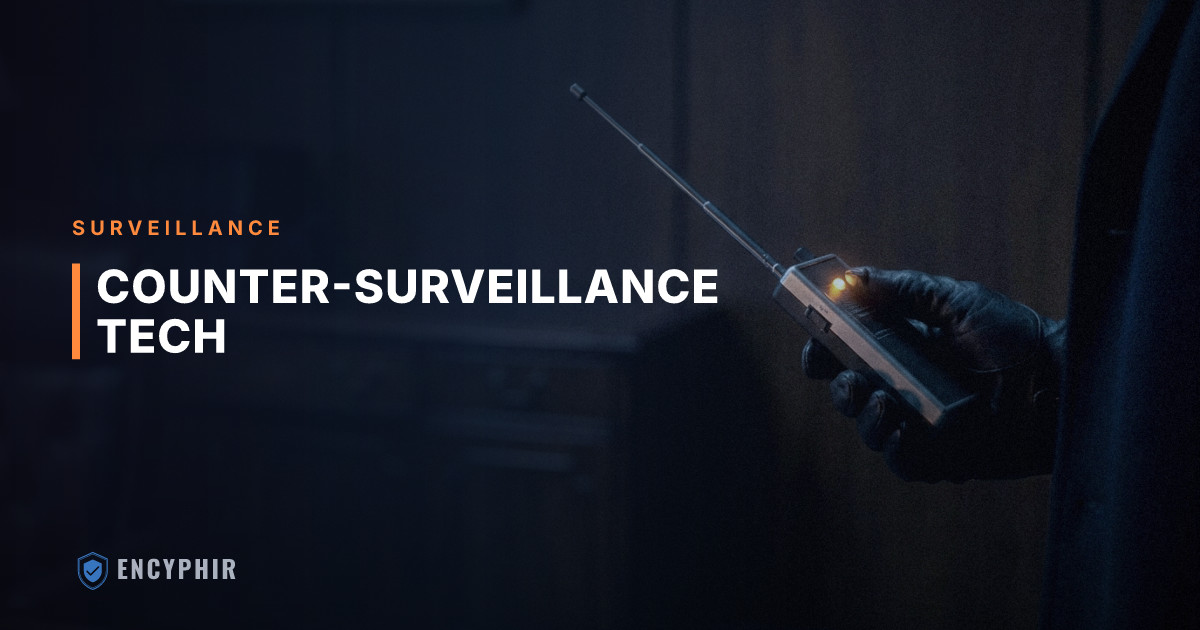
Technical Surveillance Countermeasures, or TSCM, is the professional discipline of detecting and neutralizing electronic surveillance threats. It was originally developed for government and military use. Today, TSCM is a critical service for corporate executives, legal professionals, high-net-worth individuals, and anyone facing a real risk of unauthorized surveillance.
What TSCM Actually Covers
The term "bug sweep" is widely used, but TSCM is more comprehensive than that phrase implies. A full TSCM inspection addresses the entire range of electronic surveillance threats:
Audio surveillance devices. Hidden microphones, GSM audio bugs, RF transmitters, and hardwired recording devices embedded in furniture, fixtures, or structural elements.
Video surveillance devices. Covert cameras concealed in everyday objects, pinhole lenses in walls or ceilings, and remotely accessible IP cameras installed without authorization.
GPS and tracking devices. Devices placed on vehicles or in personal effects to track movement. They may transmit continuously or in timed intervals, and they require dedicated detection protocols.
Network and telecommunications threats. Compromised telephone lines, network taps, and devices that exploit Wi-Fi or Bluetooth infrastructure to capture or transmit data.
Optical and acoustic surveillance. Laser microphones, directional audio devices, and other methods that capture conversations from a distance without a planted device.
A complete TSCM engagement addresses all of these categories, not just the RF-transmitting bugs that most people imagine.
The Equipment That Makes TSCM Possible
Consumer-grade detectors marketed online as "bug finders" or "spy detectors" only catch active RF transmissions on a limited range of frequencies. They will catch a cheap transmitter on a common frequency. That is a small fraction of the actual threat landscape. Professional TSCM relies on equipment that most people have never encountered.
Nonlinear junction detectors (NLJDs). These devices emit a radio signal and detect the harmonic frequencies returned by semiconductor components in any electronic device, whether powered on or off. An NLJD finds a covert camera or microphone that has been switched off and is transmitting nothing.
Spectrum analyzers. A broadband spectrum analyzer maps every signal in the RF environment from a few kilohertz to several gigahertz. Trained analysts read the spectrum to identify anomalies that match surveillance transmitters.
Time-domain reflectometers (TDRs). These inspect telephone and network lines for taps or unauthorized connections by measuring how a signal reflects along a cable.
Physical inspection tools. Fiber optic cameras, borescopes, and lens detectors used for the physical portion of the sweep, examining wall cavities, furniture, and objects for concealed devices.
When to Commission a TSCM Sweep
The right time to commission a sweep is before sensitive information changes hands, not after you suspect a compromise. Common triggers include:
Before major legal proceedings or negotiations. Deposition prep, settlement talks, merger discussions, and other high-stakes conversations should happen in a verified clean space.
After a separation or contentious divorce. A spouse with prior access to your home has had opportunity to plant devices. Professional infidelity investigators and TSCM specialists often work together in these cases.
Following an unusual event. A break-in, a contractor visit, or any period when unfamiliar people had access to your space is a reasonable trigger for a sweep.
On a regular schedule for high-risk environments. Executive offices, legal conference rooms, and boardrooms used for sensitive discussions benefit from periodic sweeps. The frequency depends on the threat environment and the sensitivity of the discussions.
When behavior suggests a compromise. Watch for signs like:
- Conversations referenced by someone who should not know about them
- Unusual sounds on telephone calls
- Technology behaving unexpectedly
Any of these can indicate that a surveillance device is active.
TSCM in Corporate Environments
Corporate espionage is a real and underreported problem. Trade secrets, merger plans, client information, and personnel decisions all carry value to competitors, disgruntled employees, or hostile actors. The most secure companies in the world conduct regular TSCM sweeps of sensitive spaces as part of their security programs.
For businesses, TSCM works alongside background investigations for key personnel, security consulting, and access control policies to create a layered security posture. A technical sweep addresses the physical surveillance threat. The other components address personnel and procedural risks.
Counter-Surveillance Is Not Just for Governments
A persistent misconception holds that TSCM is only relevant for espionage-level threats or government targets. In reality, the technology required to plant a surveillance device is now accessible to anyone motivated to use it. A jealous partner, a business competitor, a landlord, a disgruntled employee, or a litigant in a civil dispute can all get cheap devices that would be invisible without professional detection.
The cost of a professional sweep is modest compared to the consequences of conducting sensitive conversations in a compromised space. Whether the context is personal, legal, or corporate, knowing your environment is clean is worth the investment.
How a Professional TSCM Engagement Unfolds
Clients are often surprised by how methodical a professional sweep actually is. A quality engagement rarely begins with equipment in hand. It begins with a threat assessment. Before any technician arrives on site, the lead investigator gathers intelligence about the client's situation. That includes who has had access to the space, what sensitive information has been discussed there, whether there have been prior indicators of compromise, and what the adversary profile looks like. A sweep prompted by a contentious executive dispute is designed differently than a routine sweep before a quarterly board meeting.
Arrival on site is handled with operational discretion. Technicians typically work after hours or under a cover story appropriate to the environment. If a surveillance device is active and being monitored, an obvious sweep can trigger the operator to remotely disable the device. That makes detection far more difficult. Vehicles, equipment cases, and even the clothing worn by the team are considered as part of the arrival plan.
The inspection itself proceeds in layers. The RF spectrum is analyzed first to capture any transmitters broadcasting in real time. Physical inspection then follows, with NLJD sweeps of walls, ceilings, furniture, and decorative objects. Telephone lines, network drops, HVAC systems, and electrical outlets all get dedicated attention. They provide power, concealment, and exfiltration paths that surveillance devices routinely exploit. Thermal imaging can reveal heat signatures from powered devices hidden behind drywall or inside ceiling tiles. At the end of the sweep, the client receives a written report documenting what was examined, what was found, and what recommendations follow.
Industries and Scenarios Where TSCM Matters Most
Certain environments attract surveillance activity at rates that far exceed public perception. Law firms are regular targets, especially those handling:
- Plaintiff-side commercial litigation
- Plaintiff-side personal injury cases with significant exposure
- Family law matters involving substantial assets
Opposing parties have strong incentives to learn case strategy, settlement thresholds, and witness preparation approaches. We routinely support law firm clients with sweeps of conference rooms, war rooms, and deposition suites before key proceedings.
Corporate environments present a different threat profile. Executive transitions, contested board actions, internal investigations, and competitive intelligence gathering by rivals all create motives for surveillance. An outgoing executive with access to a successor's office, a contractor servicing a secure area, or a vendor with repeated after-hours access can all plant a device that survives for months. Our work with corporate clients and on executive misconduct investigations often includes a TSCM component when the facts warrant it.
Residential sweeps for high-net-worth individuals are increasingly common. Concerns range from stalking and domestic disputes to financial exploitation and reputational threats. In these matters, TSCM pairs naturally with digital forensics work on personal devices. An adversary who has planted a microphone in a home office has often also tried to compromise phones, laptops, and cloud accounts belonging to the same target.
Educational institutions face their own unique exposures, from sensitive personnel matters to litigation involving faculty, students, or parents. Conference rooms used for hearings, disciplinary proceedings, and attorney consultations merit the same protection given to corporate boardrooms.
What Clients Should Do Before the Team Arrives
Preparation has a meaningful effect on the quality of a sweep. Clients should avoid discussing the planned inspection in three places:
- The space to be swept
- On phones used in that space
- In messages sent from devices that stay in that space
If a device is present and monitored, advance notice gives the operator time to disable or remove it. Written communications about scheduling should be handled through a channel the adversary is unlikely to access. That often means an out-of-band email account or a phone call from a location known to be clean.
Clients should also be prepared to provide access to the full environment. A sweep limited to a single conference room leaves gaps that a sophisticated adversary can exploit, especially when adjacent offices, hallways, and shared ventilation remain unexamined. Audio travels, cables run through walls, and wireless devices reach well beyond the room they are hidden in. An honest conversation at the scoping stage will produce a more defensible result. Cover what areas matter, what areas might be overlooked, and what the client's access permissions are.
Documenting baseline conditions helps as well. If the client knows which wireless devices, smart home products, and networked appliances are authorized, the sweep team can exclude those from the list of anomalies much faster. A short inventory prepared in advance saves hours on site.
Integrating TSCM Into a Broader Risk Program
A single sweep answers a single question at a single moment in time. For clients with ongoing exposure, TSCM belongs inside a continuous risk management program rather than a one-time purchase. Scheduled inspections produce far better outcomes than reactive sweeps conducted only after something feels wrong. They work best when integrated with personnel vetting, vendor management, access controls, and physical security reviews.
Our team routinely builds custom programs that combine periodic TSCM inspections with pre-employment due diligence, ongoing surveillance support for active matters, and targeted training for client personnel who handle sensitive information. The goal is to make surveillance attacks harder to execute, easier to detect, and less damaging when they do occur.
Contact our TSCM team to discuss your threat environment and schedule a professional inspection. Our licensed investigators bring military and law enforcement-grade methodology to every engagement.