When Does Surveillance Become Stalking? A Legal Breakdown
 June 25, 2026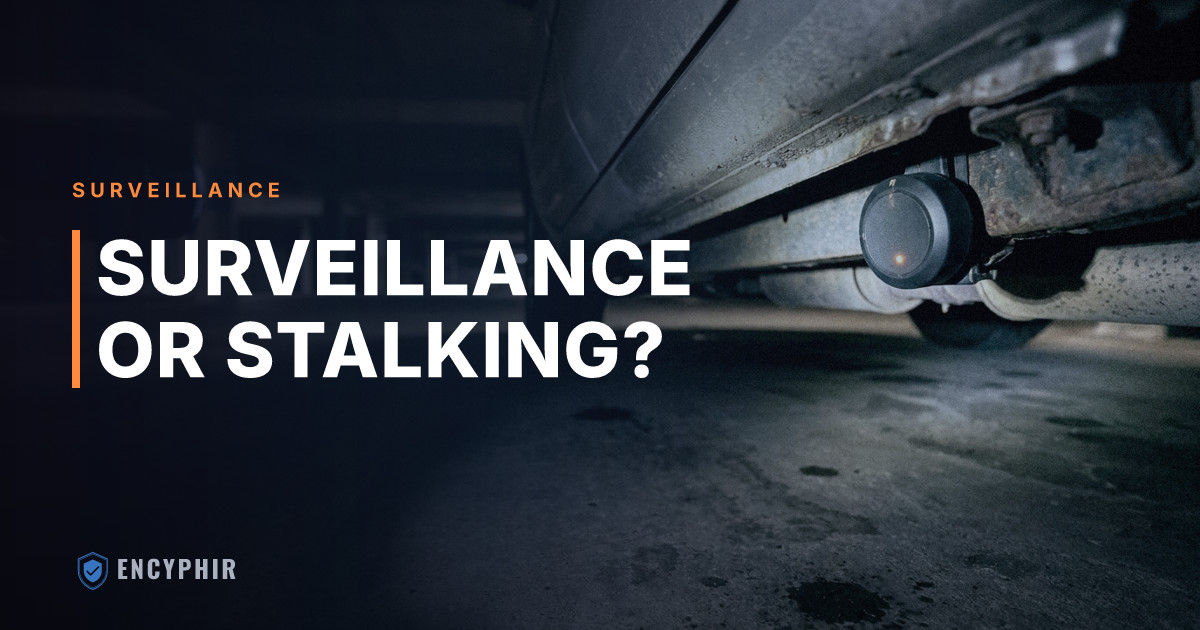
When Does Surveillance Become Stalking? A Legal Breakdown
Surveillance is one of the most powerful tools available to businesses, attorneys, and individuals seeking the truth. It can confirm employee misconduct, support litigation, verify insurance claims, and uncover infidelity. But surveillance exists within a tightly regulated legal framework, and the line between lawful observation and criminal stalking is thinner than many people realize. Crossing that line, even unintentionally, can expose a company or individual to civil liability, criminal charges, and reputational damage.
Understanding where lawful surveillance ends and unlawful stalking begins is essential for anyone considering investigative work. Below, we break down the legal distinctions, the factors courts consider, and how professional investigators stay firmly on the right side of the law.
The Legal Definition of Surveillance
Surveillance, in its lawful form, is the systematic observation of a person, location, or activity to gather information. When conducted by a licensed investigator, it generally involves observing subjects in public spaces, documenting publicly visible behavior, and recording activity that does not violate any reasonable expectation of privacy.
Key principles that keep surveillance lawful include:
- Observation occurs in public or from a lawful vantage point.
- The subject has no reasonable expectation of privacy in the observed activity.
- No trespassing, harassment, or intimidation takes place.
- Recording complies with state-specific wiretapping and consent laws.
Professional surveillance services operate within these boundaries, often supporting corporate investigations, litigation, and workplace compliance matters.
How Stalking Is Defined Under the Law
Stalking laws vary by state, but most jurisdictions share common elements. Stalking generally requires a pattern of conduct directed at a specific person that would cause a reasonable individual to fear for their safety or suffer substantial emotional distress.
Common elements of stalking statutes include:
- A course of conduct, meaning two or more acts.
- Intent to harass, intimidate, threaten, or cause fear.
- Conduct that a reasonable person would find alarming or distressing.
- Following, monitoring, or contacting the subject in unwanted ways.
The critical distinction is intent and effect. Lawful surveillance is conducted discreetly, without the subject's knowledge, and without any intent to threaten or intimidate. Stalking, by contrast, often involves overt contact, threats, or behavior designed to instill fear.
Where the Line Gets Blurry
Many of the legal gray areas involve technology, location, and the relationship between the parties. Consider these examples:
- GPS tracking on a vehicle. Whether this is lawful depends on who owns the vehicle, whether consent was given, and applicable state statutes. A company tracking its own fleet is generally permissible; placing a tracker on a spouse's personally owned vehicle without consent often is not.
- Recording conversations. One-party consent states allow recording when one participant consents. Two-party consent states require all participants to agree. Violating these laws can transform an investigation into a criminal act.
- Social media monitoring. Reviewing public posts is lawful. Creating fake accounts to access private content may violate computer fraud statutes.
- Photographing through windows. Public-facing windows are generally fair game; using zoom lenses to capture interior activity where privacy is expected is not.
This is precisely why retaining a licensed investigator matters. Cases involving sensitive matters, such as marital and infidelity investigations, require strict adherence to state law, particularly regarding tracking devices and recorded communications.
Why Professional Investigators Stay on the Right Side of the Law
Licensed investigators are trained in the statutes that govern observation, recording, and evidence collection. They understand that any evidence gathered unlawfully is not only inadmissible in court but can expose the client to counterclaims, including invasion of privacy, intentional infliction of emotional distress, and even criminal liability.
Professional firms maintain compliance through:
- Thorough knowledge of federal, state, and local laws.
- Documented surveillance protocols and chain-of-custody procedures.
- Coordination with attorneys to ensure evidence is admissible.
- Use of technology, including digital forensics, only within lawful boundaries.
For businesses, this matters even more. An internal HR investigation or executive misconduct review that crosses legal lines can derail litigation, trigger regulatory scrutiny, and damage the company's standing. Engaging professionals who handle corporate misconduct investigations ensures the inquiry produces actionable, court-ready findings without legal exposure.
Protecting Your Investigation and Your Reputation
The difference between surveillance and stalking often comes down to licensure, methodology, and intent. When investigations are conducted by trained professionals who understand the legal framework, the results are reliable, defensible, and ethically sound. When conducted carelessly or by untrained parties, the same activities can lead to lawsuits, criminal charges, and irreversible harm.
If you are considering surveillance for a corporate matter, litigation support, or a personal concern, do not take the risk of going it alone. Encyphir Risk Management combines licensed expertise, modern investigative technology, and strict legal compliance to deliver results you can rely on. Contact us today to discuss your case in confidence and learn how lawful, professional surveillance can protect your interests.