Can a Private Investigator Access Your Social Media Without Your Permission?
 October 20, 2026
Can a Private Investigator Access Your Social Media Without Your Permission?
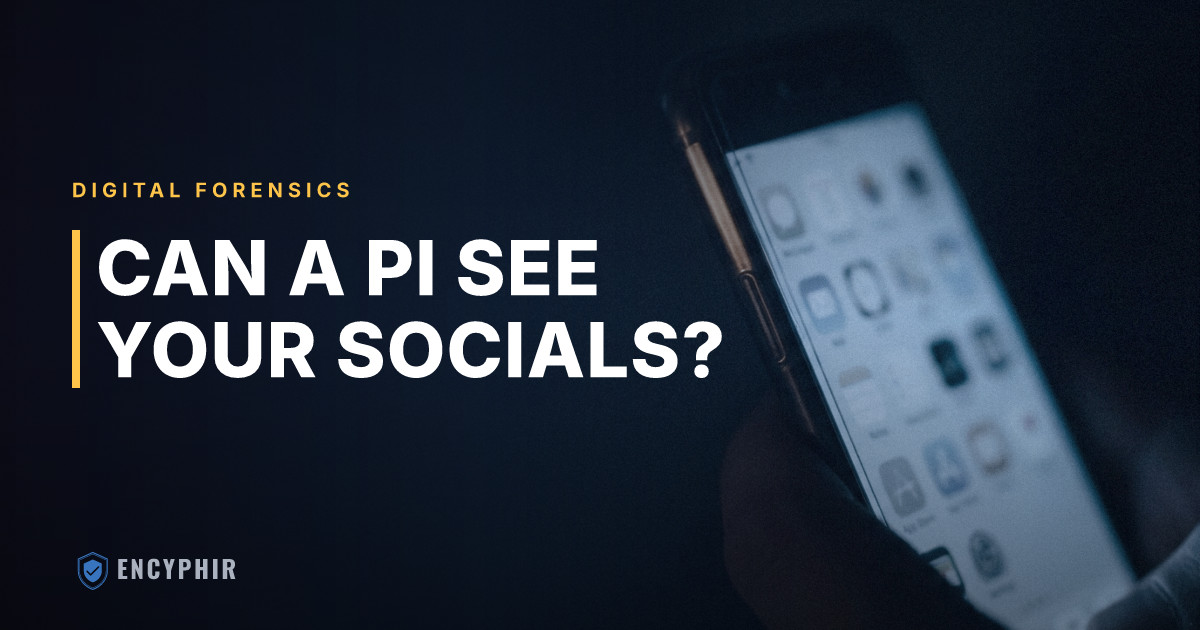
Social media has become one of the richest sources of intelligence in modern investigations. From a single Facebook post, a skilled investigator may confirm a subject's location, verify employment claims, expose fraudulent injury cases, or uncover connections to individuals of interest. But with that power comes a fair and common question: can a private investigator legally access your social media without your permission? The answer is nuanced, and understanding the boundaries matters whether you are a business owner considering an investigation or a private citizen concerned about your digital footprint.
What Investigators Can Legally View
A licensed private investigator can lawfully view anything you have made publicly available online. If your Instagram profile is set to public, your LinkedIn is open to networking, or your Facebook posts are visible to anyone with the link, that content is fair game for review. No permission is required, because you have chosen to publish that information to the world.
Investigators routinely use publicly available social media data to:
- Verify identity and personal history
- Cross-check statements made in litigation or insurance claims
- Identify associates, employers, and frequented locations
- Document behavior inconsistent with disability or workers' compensation claims
- Support corporate due diligence and executive vetting
This type of open-source intelligence (OSINT) is a foundational component of professional background investigations and pre-employment screening, where surface-level red flags often lead to deeper inquiry.
Where the Legal Line Is Drawn
While public content is accessible, private content is protected. A private investigator cannot legally:
- Hack into your account or bypass a password
- Use stolen or purchased credentials to log in as you
- Create a fake profile to deceive you into accepting a friend request (a practice known as pretexting, which is restricted in many jurisdictions and prohibited under most professional codes of conduct)
- Coerce a third party into sharing private messages
- Intercept communications in transit
Federal statutes such as the Stored Communications Act and the Computer Fraud and Abuse Act impose serious civil and criminal penalties for unauthorized access to electronic accounts. Reputable firms operate strictly within these boundaries. Any evidence obtained through unlawful means is not only inadmissible in court, it can expose the client to significant liability.
The Gray Areas: Pretexting and Friend Requests
One of the most debated tactics is the use of anonymous or alternate profiles to view content that is technically visible only to friends or connections. Some investigators argue that if a target accepts a friend request voluntarily, the content is no longer truly private. Courts and licensing boards have taken increasingly strict views on this, particularly when deception is involved.
At Encyphir, our position is clear: investigative integrity is non-negotiable. Techniques that could jeopardize a client's case, or that violate platform terms of service and applicable law, are not employed. When deeper access to digital evidence is needed, we rely on lawful channels such as court-ordered discovery, forensic preservation, and proper subpoena processes. These methods are especially critical in matters involving digital forensics, data theft, and cybercrime investigations, where chain of custody and admissibility are paramount.
When Social Media Evidence Becomes Actionable
For businesses, social media evidence is often the first thread that unravels a larger issue. Consider a few real-world scenarios:
- An employee on medical leave posts photos from a ski trip
- A departing executive shares proprietary product details on LinkedIn
- A vendor under due diligence review has undisclosed ties to a competitor
- A candidate's public posts contradict their resume
Each of these situations may warrant a more comprehensive investigation. Public social media activity can serve as probable cause to justify surveillance, forensic analysis, or a full corporate inquiry. In cases of suspected executive misconduct or internal fraud, what starts as an online observation frequently evolves into a documented case with courtroom-ready evidence.
Protecting Your Organization and Your Privacy
For executives and business owners, the same rules that limit investigators also protect you. Regularly auditing your privacy settings, training employees on social media hygiene, and understanding what your public profile reveals are all part of a mature risk posture. Threat actors, competitors, and bad-faith litigants use the same open-source techniques that legitimate investigators use, often with far fewer scruples.
Proactive security consulting can help identify exposure before it becomes a liability, from executive digital footprints to organizational information leakage.
Partner with an Investigator Who Operates the Right Way
The question is not just whether a private investigator can access your social media, but whether they will do so lawfully, ethically, and in a way that produces evidence you can actually use. At Encyphir Risk Management, every investigation is conducted with regulatory compliance, professional integrity, and client protection at the forefront.
If you are considering an investigation, or you want to understand your organization's digital exposure, contact Encyphir today to speak with a licensed investigator about the right approach for your situation.