Deepfakes and Fraud: What Businesses Should Know
 May 2, 2026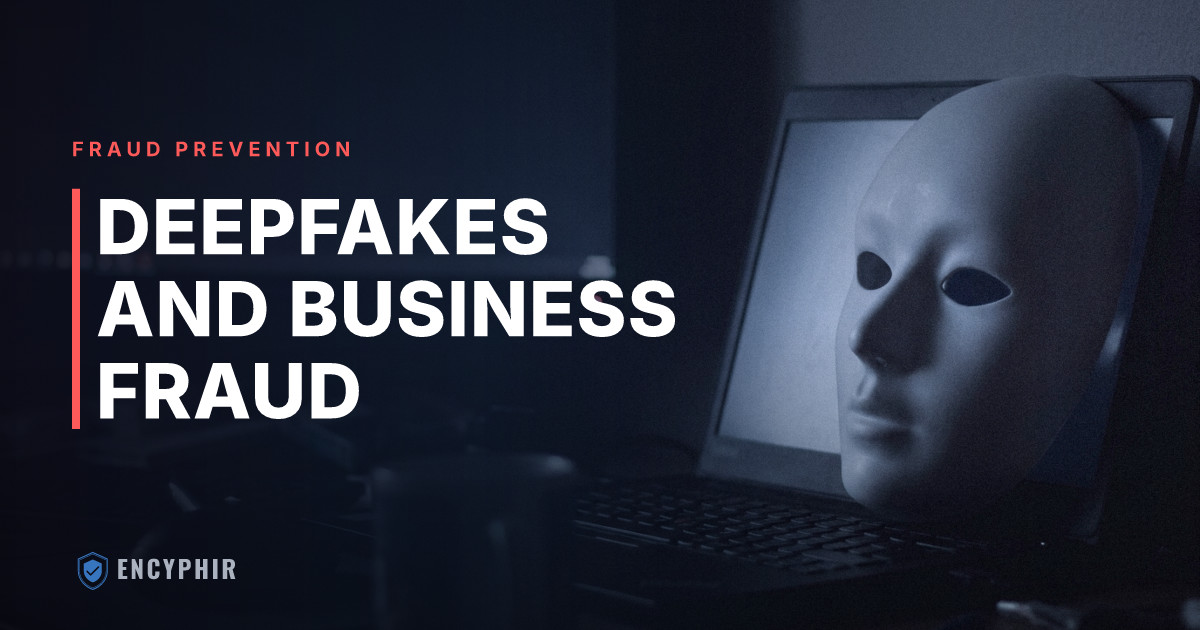
Imagine receiving a video call from your CEO instructing you to wire $250,000 to a new vendor. The voice is right, the face is right, and the request feels urgent. But it is not your CEO. It is a deepfake, and your company just became the latest victim of AI-powered fraud.
This is not a hypothetical scenario. Deepfake-driven fraud is surging across industries, and businesses of every size are finding themselves vulnerable to a threat that did not exist just a few years ago. As synthetic media technology becomes cheaper and more convincing, organizations need to understand the risks and take proactive steps to protect themselves.
What Are Deepfakes and Why Should Businesses Care?
Deepfakes are AI-generated audio, video, or images that convincingly mimic real people. Using machine learning algorithms trained on publicly available footage, photos, and voice recordings, bad actors can now create realistic impersonations of executives, vendors, attorneys, and other trusted figures.
For businesses, the implications are staggering. A 2024 report from Deloitte estimated that AI-generated content contributed to over $12 billion in fraud losses globally, and that number continues to climb. Deepfakes are no longer a novelty reserved for celebrity face-swaps on social media. They have become sophisticated tools for financial fraud, corporate espionage, and reputational sabotage.
The most common business-targeted deepfake attacks include fake video or audio calls impersonating executives, fraudulent identity verification during onboarding or transactions, manipulated evidence used in legal disputes, and fabricated communications designed to damage brand credibility.
How Deepfake Fraud Targets Businesses
Deepfake fraud typically exploits trust, urgency, and established business processes. Here are some of the most prevalent attack vectors:
Executive Impersonation: Criminals use cloned voices or AI-generated video to pose as C-suite leaders, instructing employees to transfer funds, share sensitive data, or approve unauthorized actions. One widely reported case involved a finance worker who transferred $25 million after a video call with what appeared to be multiple senior colleagues, all of whom turned out to be deepfakes.
Vendor and Client Fraud: Attackers impersonate trusted business partners, using deepfake audio during phone calls to redirect payments, change banking details, or authorize shipments.
Hiring and Identity Fraud: Deepfake technology has been used to fabricate identities during remote job interviews, allowing bad actors to infiltrate organizations with the intent of stealing intellectual property or sensitive data. This is one reason thorough background investigations remain essential, even in a digital hiring landscape.
Reputation Attacks: Competitors or disgruntled parties can create fabricated video or audio of key personnel making inflammatory statements, engaging in misconduct, or participating in illegal activity, all designed to damage the target company's reputation and stock value.
Warning Signs and Detection Strategies
While deepfakes are growing more convincing, they are not yet perfect. Training your team to recognize potential red flags can be an effective first line of defense.
Look for subtle visual artifacts such as unnatural blinking, lighting inconsistencies, or slight audio delays that do not match lip movements. Be suspicious of any unexpected requests involving financial transactions, credential sharing, or sensitive data, particularly when the request emphasizes urgency or secrecy.
Beyond human observation, businesses should consider investing in AI-based detection tools that analyze media for signs of manipulation. However, technology alone is not enough. Building a culture of verification, where employees feel empowered to confirm unusual requests through secondary channels, is equally critical.
When deepfake fraud is suspected, swift and thorough action is essential. Engaging a professional digital forensics team can help determine whether media has been manipulated, preserve evidence for legal proceedings, and trace the origin of the attack.
Building a Deepfake-Resilient Organization
Protecting your business from deepfake fraud requires a layered approach that combines technology, policy, and human awareness.
Implement Multi-Factor Verification: Never authorize high-value transactions or sensitive actions based on a single communication channel. Require callbacks through verified numbers, in-person confirmations, or multi-party approvals.
Strengthen Internal Controls: Establish clear protocols for financial approvals, data access, and vendor changes. Ensure these controls cannot be bypassed by a single request, regardless of who appears to be making it.
Invest in Employee Training: Regularly educate your workforce on emerging fraud tactics, including deepfakes. Simulated phishing and social engineering exercises can help employees build the instincts needed to recognize suspicious activity.
Conduct Proactive Risk Assessments: Work with experienced security professionals to evaluate your organization's vulnerability to synthetic media threats. A comprehensive corporate investigation and fraud assessment can uncover weaknesses in your processes before criminals exploit them.
Limit Public Exposure of Key Personnel: The more audio and video of an individual available online, the easier it is to create a convincing deepfake. Consider limiting the public availability of executive media content and monitoring for unauthorized use of likenesses.
The Threat Is Real, and It Is Growing
Deepfake technology is advancing faster than most organizations can adapt. The businesses that will weather this threat successfully are those that take it seriously now, rather than waiting until after an incident occurs.
Fraud prevention is no longer just about firewalls and antivirus software. It requires understanding the human element, the technological landscape, and the investigative capabilities needed to respond when something goes wrong.
If your organization is concerned about deepfake fraud, synthetic media threats, or any form of corporate deception, Encyphir Risk Management can help. Our team brings deep expertise in digital forensics, corporate investigations, and security consulting to help you identify risks, investigate incidents, and build stronger defenses.
Contact Encyphir today to schedule a consultation and learn how we can help protect your business from the next generation of fraud.