The Future of Facial Recognition in Private Investigations
 May 29, 2026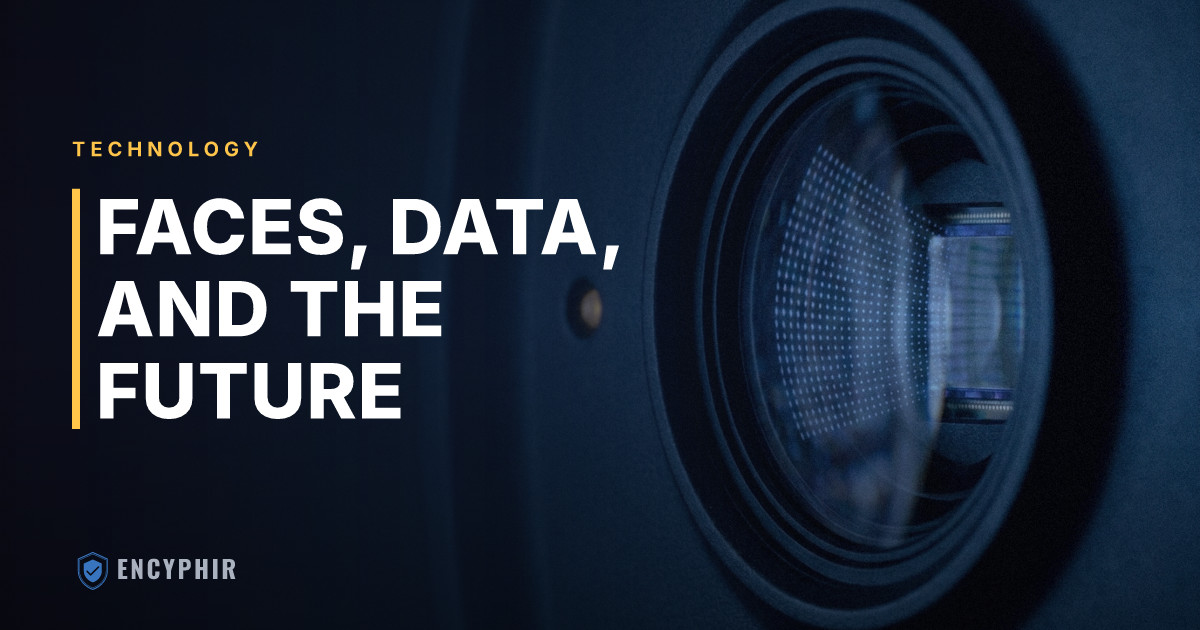
The Future of Facial Recognition in Private Investigations
Facial recognition technology has moved from science fiction to standard tooling in just over a decade. What once required massive computing infrastructure and government-level databases can now run on consumer-grade hardware with surprising accuracy. For private investigators and the corporate clients who rely on them, this shift represents both a powerful new capability and a complex set of ethical, legal, and practical considerations.
At Encyphir, we are watching these developments closely because they will reshape how investigations are conducted, how evidence is collected, and how risk is managed across nearly every industry we serve. Below, we explore where facial recognition is heading, what it means for investigative work, and how businesses should prepare for an environment where identifying a face is faster, cheaper, and more accurate than ever before.
How Facial Recognition Is Changing Investigative Workflows
Traditional investigative work has always relied heavily on visual identification. Whether confirming the identity of a subject during surveillance operations, matching a suspect to security footage, or verifying that a person of interest is who they claim to be, investigators have historically depended on a combination of photography, witness statements, and manual cross-referencing.
Facial recognition compresses much of that workload. Modern algorithms can scan hours of video footage and flag matches in minutes. They can compare an unknown subject against public records, social media profiles, and licensed databases with a level of speed that simply was not possible five years ago. For complex cases involving multiple subjects or unclear visual evidence, the time savings translate directly into better outcomes for clients.
That said, the technology is not a replacement for skilled investigators. Algorithms produce probabilities, not certainties. A trained investigator still needs to verify matches, contextualize findings, and ensure that any identification stands up to legal scrutiny.
Applications Across Corporate and Legal Investigations
The practical applications are broad. In corporate misconduct investigations, facial recognition can help confirm whether an executive met with a competitor, attended an unauthorized meeting, or was present at a location relevant to an internal inquiry. In background investigations, it can help verify identities and uncover aliases or undisclosed histories that traditional records searches might miss.
For law firms preparing for litigation, facial recognition can accelerate the review of surveillance footage, body camera recordings, and other visual evidence. In fraud investigations, it can help establish whether the same individual appears across multiple incidents or transactions under different names. The technology also has growing applications in physical security assessments, where understanding who is accessing a facility, and when, is critical to identifying vulnerabilities.
Legal and Ethical Considerations Investigators Must Navigate
With capability comes responsibility. The legal landscape around facial recognition is evolving rapidly, and it varies significantly by jurisdiction. Some states have enacted strict biometric privacy laws that govern how facial data can be collected, stored, and used. Others have placed restrictions on the use of commercial facial recognition databases by private parties.
Professional investigators must understand these boundaries. Evidence collected improperly can be excluded from legal proceedings, expose clients to civil liability, and damage the credibility of an entire investigation. At Encyphir, we treat compliance as a baseline expectation, not an afterthought. Every tool we deploy is evaluated against the legal and ethical standards of the jurisdictions in which we operate.
There is also the question of accuracy and bias. Facial recognition systems have historically performed less reliably on certain demographic groups, and while modern algorithms have improved significantly, no system is perfect. Responsible use requires understanding the limitations of the technology and disclosing them transparently when findings are presented.
What Businesses Should Expect Over the Next Five Years
Looking ahead, several trends are likely to define the next phase of facial recognition in investigations. First, accuracy will continue to improve, particularly in low-light conditions and at distance. Second, integration with other investigative tools, including digital forensics platforms and open-source intelligence systems, will become more seamless. Third, regulatory frameworks will continue to evolve, likely tightening in some jurisdictions and clarifying gray areas in others.
For business leaders, the takeaway is straightforward. Facial recognition will increasingly be part of how investigations are conducted, whether you are the subject of one, the client commissioning one, or the organization relying on its findings. Understanding the capabilities and limits of this technology is becoming a core part of modern risk management.
Partner With Investigators Who Understand the Technology
The firms that thrive in this new environment will be those that combine cutting-edge tools with experienced human judgment. Technology accelerates investigations, but it does not replace the skill required to interpret findings, build a case, and present evidence credibly.
If your organization is facing a sensitive investigation, a complex background screening, or a security challenge where modern technology could make a difference, contact Encyphir today. Our team brings decades of investigative experience together with a deep understanding of the tools shaping the future of our industry.