
Protective intelligence services
Protective intelligence: find the threat while it is still on the way.
Protective intelligence is the collection, analysis, and assessment of information about potential threats to people, facilities, and organizations so security teams can act before an incident, not after. Encyphir runs it as an embedded protective intelligence analyst, fractional coverage, or a project assessment, backed by a licensed investigative firm with investigators in all 50 states.
- Global coverage
- Licensed investigators across the U.S. and abroad
- 24/7
- Call or text (888) 965-5150
- Human-led
- Every threat assessed by a trained analyst
- Free
- Confidential consultation
What is protective intelligence?
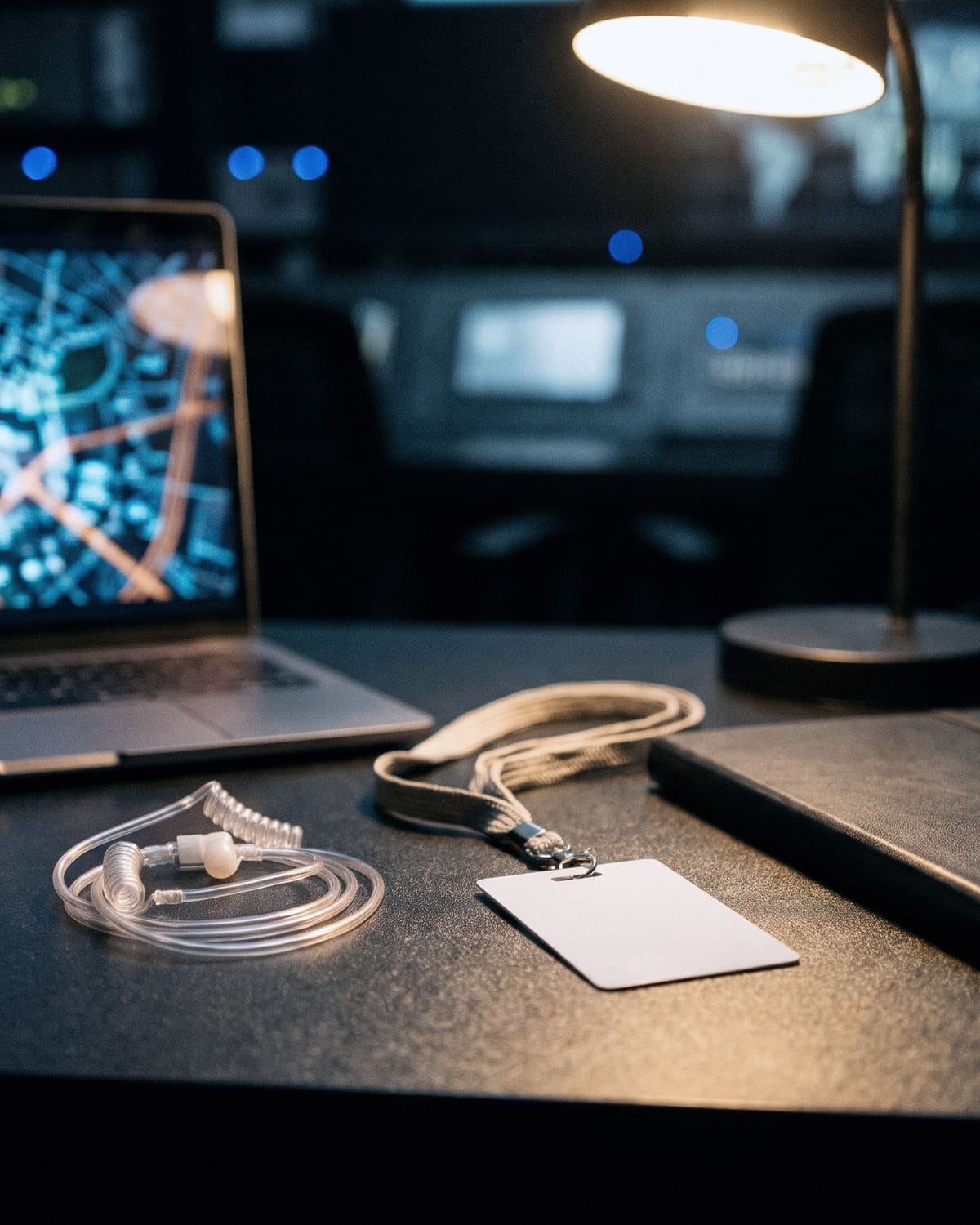
Protective intelligence is the process of collecting, analyzing, and evaluating information about potential threats to people, facilities, assets, and organizations so that security teams can take preventive action. It combines threat monitoring, behavioral threat assessment, licensed investigation, and human analysis to separate credible concerns from noise before a situation escalates.
It is intelligence gathered for one purpose: keeping named people, and the places they go, out of harm's way. Before a protection plan is written, it answers three questions. Who has shown an interest in the principal? What could they actually do? And what would have to be true for that interest to become an approach?
The discipline traces back to the U.S. Secret Service model of identifying people and situations that may pose a threat, investigating and assessing them, and managing those cases until the risk is resolved. That three-part model remains the standard for corporate threat management, and it is the model Encyphir's analysts work to.
Executive protection
The physical layer: agents, drivers, secure transport, and venue security.
Threat intelligence
Starts from a threat and describes it, across cyber, physical, and operational risk. Broad by design.
Threat assessment
The evaluation of a specific person or situation to judge whether it is likely to escalate to violence, and what to do about it.
Protective intelligence
Starts from a person, or a place they will be, and asks what threatens them there. The continuous program that finds the threats, runs the assessments, and tells the protection team what is warranted.
The layer that decides the rest
Most security is built to respond: a detail at the event, a driver on standby, a guard at the door. Without protective intelligence, that team can only react to what is already in front of it. Protective intelligence decides whether those measures are needed, how many, and for how long.
With it, protection scales up for the trip, the earnings call, or the shareholder meeting that carries the risk, and back down for the months that do not. Without it, the only safe answer to uncertainty is more people, all the time. That is why a well-run protective intelligence program usually lowers the total cost of protection rather than adding to it.
It is also the layer most organizations leave out, because it is invisible when it works. A threat identified and managed early produces no incident, no footage, and no story.
What protective intelligence decides
- Whether a specific person or group warrants protective action, and at what level
- How large and how visible the executive protection detail should be for a given movement
- Which trips, venues, and events need an advance, and which do not
- When a person of concern can be de-escalated, and when the matter goes to counsel or law enforcement
- When a standing security posture can be reduced without adding risk
What does an embedded protective intelligence analyst do?
An embedded protective intelligence analyst is a security and risk-management professional who works directly inside a client's organization, such as a major corporation, technology company, or high-profile firm, to identify, assess, and neutralize threats against executives, personnel, physical assets, and brand reputation. Most organizations only learn about a threat when it arrives at the front desk, in an executive's inbox, or at a shareholder meeting. Our analysts find it earlier, assess it properly, and make sure the right people act on it.
In practice, the analyst
- Monitors open-source, social media, forum, and dark-web channels for threats against executives, employees, and facilities
- Triages reported concerns and runs behavioral threat assessments on persons of concern
- Produces travel, destination, and event threat assessments before executives are on the ground
- Supports the GSOC, executive protection, HR, legal, and workplace violence prevention teams with timely, sourced intelligence
- Maintains a live threat picture and documented case files that leadership can act on
Confidential
Lawful and ethical
On-site or remote
Protective intelligence services
One assessment ahead of a trip or an event, a standing service that keeps the picture current for a principal or a family, or the intelligence function inside a full executive protection program.
Embedded protective intelligence analyst
A dedicated protective intelligence analyst seated inside your corporate security team, GSOC, legal department, or executive office, working your threat picture full time rather than responding to it after the fact. Available on-site, hybrid, or remote, as a full-time or fractional analyst, scaled to the organization and surged for high-exposure periods.
Threat monitoring and OSINT threat intelligence
Continuous monitoring across mainstream and fringe open sources, social media, forums, and dark-web channels for threats, grievances, protest planning, and the publication of personal information about executives, employees, facilities, and the brand, plus internally reported concerns. Geopolitical, criminal, activist, and extremist trends are tracked for the locations and events that matter to you. Every signal is triaged by a human analyst, not a keyword alert.
Executive threat assessment and persons of concern
Behavioral threat assessment of individuals and groups who have made threats, fixated on an executive, or shown concerning interest, covering motive, target selection, capability, and whether the interest is escalating. Built on recognized pathway-to-violence frameworks and licensed background investigation, with ongoing case management until the person of concern is no longer a risk.
Executive exposure, doxxing, and digital targeting
An exposure review of what is already known about a principal, and what their family, staff, and social media reveal about where they live and where they will be. Detection and investigation of executive impersonation, doxxing, exposed personal data, coordinated harassment, and activist or extremist targeting, with takedown support and investigative attribution where warranted.
Travel, destination, and event threat assessments
Pre-travel and pre-event intelligence for executives and high-profile personnel: the local threat environment, known agitators and protest activity, the political temperature, route and venue vulnerabilities, and security recommendations with emergency contacts such as hospitals, consulates, and local responders. Delivered to the executive protection team before anyone is on the ground, for a single trip or as a standing travel security program.
Insider threat and workplace violence prevention
Early identification of insider threat and workplace violence indicators, coordination with HR and legal, and analyst support for your threat management team. Built to satisfy workplace violence prevention obligations such as California SB 553 without turning the program into paperwork.
TSCM and counter surveillance
Technical surveillance countermeasures sweeps of the offices, boardrooms, residences, hotel suites, and vehicles that matter, for engagements where the question is whether someone is already listening, paired with counter surveillance to detect hostile reconnaissance around a principal.
Program design and in-house capability
For organizations that want the capability in house, Encyphir builds it: collection requirements, an assessment standard, a reporting rhythm that reaches decision makers in time, family security and evacuation plans, and training for the people who will run the program. A capability you own outlasts a report you bought.
How Encyphir builds a protective intelligence program
Intelligence that sits in a report changes nothing. Each engagement starts with the questions the protection actually needs answered, collects against those, assesses what it finds to a stated standard, and puts the result in front of the person who sets the posture in time to change it.
Define who and what needs protecting
Executives, employees, facilities, events, and the brand, ranked by exposure. Monitoring priorities are specific, tied to a legitimate security purpose, and reviewed as travel, announcements, and threat conditions change.
Collect from relevant and lawful sources
Public online discussions, news and incident reporting, security advisories, licensed investigative databases, internal reporting channels, and trusted contacts on the ground where open sources cannot answer the question. Each source is weighed for reliability, geographic relevance, and gaps in coverage.
Assess every signal for credibility and severity
Source, specificity, potential impact, and corroboration are evaluated in context, so that a threat is separated from criticism, speculation, and unrelated activity. Consistent criteria apply, and a qualified analyst reviews every automated alert before it is treated as an actionable concern.
Connect findings to the protection plan
Escalation thresholds, communication channels, and decision authority are set in advance. The written product separates what is known from what is assessed, is dated, carries a stated confidence, and reaches the people who set the posture in time to change the advance, the route, or the size of the detail.
Review outcomes and improve
Assessments, escalations, and decisions are documented. False positives, missed developments, and response delays are reviewed, and monitoring criteria and training are updated so the program stays effective, lawful, and respectful of privacy.
Who protective intelligence is for
- Executives and boards with a public profile, especially around earnings, annual meetings, restructures, layoffs, and site visits
- Corporate security teams and global security operations centers (GSOCs) that need analytical capacity and investigative reach
- General counsel, HR, and compliance leaders managing persons of concern and workplace violence prevention obligations
- Executive protection and travel security programs that need an advance before anyone is on the ground
- Family offices, high-net-worth principals, and the households and staff around them
- Artists, athletes, and talent ahead of tours, appearances, and public events
- Organizations facing a dispute that has turned personal, an activist campaign, or a specific threat
- Anyone traveling somewhere they do not know well, with or without a security team
Lawful, discreet, and human-led
Protective intelligence handles personal information about principals and about the people who may pose a risk to them. It has to be collected lawfully, held on a need-to-know basis, and handled under privacy law. Encyphir does not publish who it protects, what it has found, or how its sources are run.
- Collection stays inside the law: open sources, licensed investigative databases, and interviews, with no interception of communications and no access to private accounts
- Findings are held on a need-to-know basis and reach only the people who make protection decisions
- Monitoring respects employee privacy, lawful expression, labor, and data-protection requirements
- Software and AI help sort volume and surface signals; a trained analyst validates credibility, context, and intent before anything is escalated
- Every case file is documented so it holds up in a termination, restraining order, law enforcement referral, or litigation
Request a Free Consultation
Fill out the form and we'll reach out via your preferred contact method within 24 hours.
- Licensed & insured investigators
- All inquiries are strictly confidential
- No obligation - just answers
- Available for emergency consultations
For emergency or expedited services,
please call us directly:
(888) 965-5150
Protective intelligence and threat assessment resources
- Executive Protection Consulting: What It Involves and Who Needs It
- Behavioral Threat Assessment: What It Is and How It Works
- Insider Threat Programs for Businesses: What They Are and Why They Matter
- Workplace Violence Threat Assessment: A Guide for Employers
- The Workplace Violence Threat Assessment Process: A Framework for Protecting Your Organization
- Workplace Violence Prevention: A Guide for Employers
- SB 553: California's Workplace Violence Prevention Law Explained
- Strategic Surveillance and Early Warning: Systems for Boards and Executives
- OSINT Investigations: How Open Source Intelligence Works
- TSCM: Technical Surveillance Countermeasures Explained
- How to Conduct a Security Risk Assessment
- Physical Security Assessments for Businesses
Frequently asked questions
What is protective intelligence?
Protective intelligence is the process of collecting, analyzing, and evaluating information about potential threats to people, facilities, and organizations so security teams can act before an incident occurs. It answers three questions: who has shown an interest in a principal, what they could actually do, and what would have to be true for that interest to become an approach. It combines threat monitoring, behavioral threat assessment, licensed investigation, and case management, and it decides what protective measures are warranted rather than assuming a level and staffing to it.
What is the difference between protective intelligence and threat intelligence?
Threat intelligence is a broad term for information used to understand potential threats, including cyber, physical, and operational risks. It usually starts from a threat and describes it. Protective intelligence starts from a specific person, facility, or event and asks what threatens them there. The methods overlap, but the question is narrower, the output is a protection decision, and the deadline is the principal's next movement.
What is the difference between protective intelligence and executive protection?
Executive protection is the physical layer: agents, drivers, secure transport, and venue security. Protective intelligence is the information layer that tells the protection team who and what to watch for, and whether a detail is needed at all. Without it, protection agents can only react to immediate dangers. With it, physical resources are deployed against assessed risk rather than guesswork. Many clients run both; some engage Encyphir for the intelligence function alone and feed it to an existing protection team.
What does a protective intelligence analyst do?
A protective intelligence analyst monitors open-source, social media, and dark-web channels for threats against executives, employees, and facilities; triages reported concerns; conducts behavioral threat assessments on persons of concern; prepares travel, destination, and event threat assessments; and briefs the executive protection, GSOC, HR, and legal teams. An embedded protective intelligence analyst does this work directly inside a client's organization, such as a major corporation, technology company, or high-profile firm, to identify and neutralize threats against executives, personnel, physical assets, and brand reputation.
What is an embedded intelligence analyst program, and do we need a full-time analyst?
An embedded analyst program places a vendor-provided protective intelligence analyst inside your organization, working alongside your security, legal, or executive staff while Encyphir handles hiring, training, tooling, and backup coverage. Whether you need full-time or fractional coverage depends on your threat environment and size. Some clients need a full-time analyst seated with their team; others need a part-time analyst who maintains monitoring, handles persons of concern as they arise, and surges for travel, events, earnings calls, layoffs, or other high-exposure periods.
Can your analyst work inside our GSOC or alongside our existing executive protection team?
Yes. Most engagements plug into an existing structure. Our analysts integrate with global security operations centers, executive protection details, threat management teams, and corporate investigations units, using your platforms and reporting lines or ours. The goal is to add analytical capacity and investigative reach, not to replace the team you already have.
What is an executive threat assessment?
An executive threat assessment evaluates a specific person, group, or situation to judge whether it is likely to escalate to violence or harm against an executive, and what should be done about it. It covers motive, target selection, capability, and escalation, and combines a licensed background investigation of the subject, review of their communications and online activity, and recognized behavioral threat assessment frameworks. The written assessment separates what is known from what is inferred, states a confidence level, and recommends protective measures, legal options, and a monitoring plan.
What is included in a travel or destination threat assessment?
A travel or destination threat assessment covers the city, the route, and the venue: the local threat environment, crime and civil unrest patterns, known agitators and planned protest activity, the political temperature, and route and venue vulnerabilities. It includes practical security recommendations for the principal and the protection team, and emergency contacts such as hospitals, consulates or embassies, and local responders. It is delivered before travel and can be refreshed as conditions change.
What information sources does protective intelligence use?
Protective intelligence draws on publicly available online discussions across mainstream and fringe platforms, news and incident reporting, security advisories, licensed investigative databases, authorized internal reporting channels, and, where open sources cannot answer the question, trusted contacts on the ground. The discipline is not access; it is collection that is systematic rather than opportunistic, assessment that separates what is known from what is inferred, and a written product that says which is which.
Can protective intelligence reduce the cost of executive protection?
Often, yes. Protective intelligence lets a program be proportionate: more protection for the trip, the event, or the announcement that carries the risk, and less for the periods that do not. Without it, uncertainty is usually answered with more people for longer. Because a threat identified and managed early produces no incident, the savings are rarely visible, but the alternative is staffing to the worst case all the time.
Can AI or monitoring software replace a protective intelligence analyst?
No. Software and AI are useful for organizing large volumes of information, surfacing potentially relevant signals, and prioritizing alerts. Automated systems also misinterpret context, miss sarcasm and intent, and assign severity badly. A detected signal does not establish credibility, intent, or imminent danger. Trained analysts assess credibility, corroborate findings, weigh legal and ethical implications, and retain authority over protective decisions. Encyphir uses monitoring technology to extend reach, with a human analyst responsible for every assessment.
Is protective intelligence monitoring legal and privacy compliant?
Yes. All monitoring and investigation is conducted lawfully, drawing on open sources, licensed investigative databases, and interviews, with no interception of communications and no access to private accounts. The program is structured to respect employee privacy, lawful expression, labor, and data-protection requirements, and findings are held on a need-to-know basis. Our analysts work closely with general counsel and HR so that findings are defensible, documented, and usable in a termination, restraining order, law enforcement referral, or litigation if it comes to that.
Can Encyphir build our in-house protective intelligence capability?
Yes, and for larger organizations it is often the better engagement. Encyphir defines the collection requirements, sets the assessment standard, designs a reporting rhythm that reaches decision makers in time, and trains the people who will run the program. Embedded analysts can run the function while your team is built, then hand it over or remain as surge and backup coverage.
Where does Encyphir provide protective intelligence services?
Nationwide. Encyphir Risk Management is a licensed private investigation and risk management firm, licensed in California and Florida, with licensed investigators in all 50 states. Embedded analysts can be placed on-site at your headquarters or regional offices, work hybrid, or operate remotely, and field investigators are available in every U.S. county when a person of concern needs to be located, interviewed, or observed.
How do I start a protective intelligence engagement?
Call or text 24/7 at (888) 965-5150 for a free confidential consultation. We will assess your current threat environment, recommend an embedded, fractional, or project-based model, and most engagements can begin within days. If there is an active threat, tell us when you call and we will prioritize it.
Put a protective intelligence analyst between the threat and your people
Whether you need a full-time embedded analyst, fractional coverage, a travel advance, or an executive threat assessment on a specific person of concern, we'll scope an engagement to your threat environment and your organization.