Video Evidence and Chain of Custody: Best Practices for Investigators
 November 7, 2026
Video Evidence and Chain of Custody: Best Practices for Investigators
Video evidence has become one of the most powerful tools in modern investigations. From surveillance footage capturing employee misconduct to body-worn camera recordings and mobile phone videos submitted by witnesses, the visual record often serves as the linchpin of a case. Yet the strength of that evidence depends entirely on how it is collected, handled, stored, and presented. A single lapse in chain of custody can render even the most compelling footage inadmissible, undermining months of investigative work.
At Encyphir, we treat every frame of video as a piece of legal evidence that may one day be scrutinized in court. Below, we outline the best practices that professional investigators should follow to preserve the integrity of video evidence and maintain an unbroken chain of custody.
Why Chain of Custody Matters
Chain of custody is the documented, chronological history of who handled a piece of evidence, when, where, and why. For video evidence, this documentation is essential because digital files are inherently easy to duplicate, alter, or corrupt. Courts, corporate boards, and internal review committees will all ask the same question: can you prove this footage is authentic and unaltered?
If the answer involves gaps, missing timestamps, or unverified transfers, the evidence loses its credibility. In civil litigation, criminal proceedings, and internal corporate matters alike, a compromised chain of custody can mean the difference between a resolved case and a costly setback. This is particularly critical in corporate misconduct investigations, where the stakes often include reputational damage, regulatory penalties, and executive-level accountability.
Capturing Video Evidence Properly
Proper handling begins the moment recording starts. Investigators conducting professional surveillance should follow these foundational practices:
- Use reliable, calibrated equipment. Cameras should have accurate internal clocks, and investigators should verify date and time settings before each assignment.
- Document the context. Note the location, weather conditions, lighting, and any relevant environmental factors. These details help authenticate the footage later.
- Record continuously when possible. Unbroken footage is harder to challenge than clips that appear edited or selectively captured.
- Avoid on-device editing. Original files should never be trimmed, cropped, or filtered on the recording device. Any analysis or enhancement should happen on a working copy, not the master file.
- Capture metadata. File metadata, including GPS coordinates, device identifiers, and timestamps, provides critical authentication data.
When video is obtained from third parties, such as building security systems or witness cell phones, investigators must document the source, the individual who provided it, and the exact time and method of transfer.
Establishing and Maintaining Chain of Custody
Once video evidence is captured or received, the chain of custody documentation begins. Every transfer, review, and duplication must be logged. Best practices include:
- Create a hash value immediately. Generating a cryptographic hash (such as SHA-256) of the original file provides a digital fingerprint. Any future alteration will change the hash, making tampering detectable.
- Store the original in a secure, access-controlled location. Master files should be preserved in read-only formats on encrypted drives or secure evidence servers.
- Work only from copies. All review, enhancement, and analysis should be performed on duplicates, with the original remaining untouched.
- Log every interaction. Each time evidence is accessed, transferred, or duplicated, the who, what, when, where, and why must be recorded.
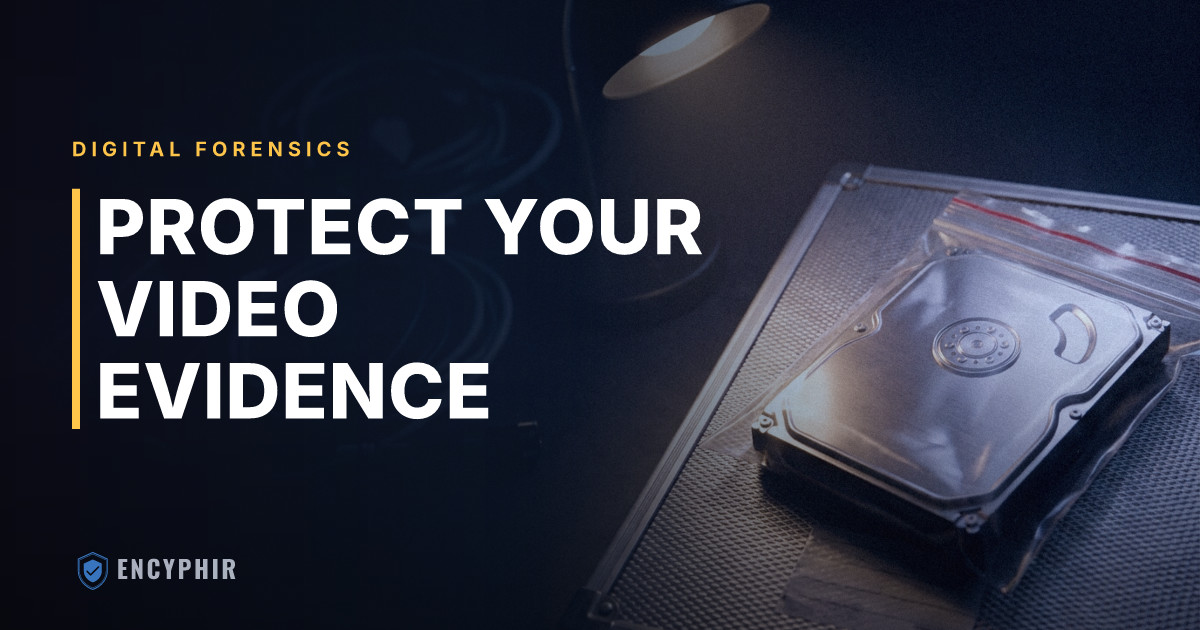
- Use tamper-evident packaging for physical media. When video is stored on physical drives or discs, sealed evidence bags with signed labels add another layer of accountability.
Our digital forensics team applies these protocols to every engagement, ensuring that video evidence can withstand courtroom scrutiny and expert challenge.
Common Pitfalls to Avoid
Even experienced investigators can compromise video evidence through avoidable mistakes. Watch for these common errors:
- Overwriting original files by saving edits back to the source.
- Failing to hash files at the point of collection, leaving no way to prove authenticity later.
- Informal transfers, such as emailing footage without documentation.
- Storing evidence on shared or unsecured drives where unauthorized access is possible.
- Neglecting to document time zone conversions, which can create confusion about when events actually occurred.
Each of these missteps can be exploited by opposing counsel or dismissed by a judge, no matter how damning the footage appears.
Presenting Video Evidence with Confidence
When the time comes to present findings, whether to a corporate board, opposing counsel, or a courtroom, thorough documentation transforms video from a persuasive visual into legally defensible evidence. Investigators should be prepared to testify about every step of the process, from initial capture through final presentation, and to produce logs, hash values, and equipment records on demand.
Attorneys and corporate clients who partner with experienced investigators benefit from this rigor. Our work supporting law firms and legal teams consistently demonstrates that meticulous evidence handling strengthens case outcomes and reduces the risk of exclusion.
Protect Your Investigation from Day One
Video evidence is only as strong as the chain of custody behind it. Whether you are conducting an internal investigation, preparing for litigation, or responding to a security incident, the practices you follow today will determine the credibility of your evidence tomorrow.
Encyphir's licensed investigators and digital forensics specialists bring decades of combined experience to every engagement. If your organization needs professional support in capturing, preserving, or analyzing video evidence, contact Encyphir today to discuss how we can help protect the integrity of your case.