

Dave Houts
Consultant
Dave Houts honorably retired from the Cotati Police Department in 2011 as a Sergeant after nearly 25 years of service. He holds a Bachelor of Arts from Sacramento State University and served as the agency's sole training manager, overseeing hiring from oral boards through background investigations and field training. His responsibilities also spanned personnel, internal affairs, dispatch, records, and serving as a community liaison for the Chief of Police, City Manager, and City Council.
Dave served honorably as a team leader on the Sonoma County Wide Special Weapons and Tactics Enforcement Team, working closely with the Sonoma County Sheriff's Department and completing extensive specialty training. As an ABC GAP Liaison under multiple state grants, he managed the city's alcohol licenses, conducting inspections, underage decoy operations, shoulder tap operations, and documenting extraordinary events.
Since 1989, Dave has worked as an academy instructor at the Santa Rosa Junior College Public Safety Training Center, where he has led in many roles including Evaluator, Emergency Vehicle Operations (EVOC), Weaponless Defensive Tactics (now ACT), Lifetime Fitness, and Scenario Manager.
In 2024, Dave was nominated to the United States Police and Fire Championships Hall of Fame Class. Across fourteen editions of the US Police & Fire Games since 2003, he has earned over one hundred medals competing in events ranging from marathon and half-marathon to cross country, biathlon, track and field, mud run, and mountain biking. He has served as a USPFG Ambassador since 2015, promoting the games to law enforcement and firefighters.
Dave followed his father and Uncle Dave into law enforcement. He has two sons, a stepson, and a stepdaughter. His son Travis recently completed five honorable years as a Marine MP and will attend the police academy in 2027, continuing the family tradition. Dave's running and life motto is "Run with Your Heart."
Articles by Dave Houts
The Workplace Violence Threat Assessment Process: A Framework for Protecting Your Organization
Workplace violence remains one of the most significant and preventable risks facing modern organizations. From verbal threats and harassment to…

Expectations of Privacy: What Businesses and Individuals Need to Know
Privacy is one of the most frequently misunderstood concepts in both personal and professional life. People often assume they have more privacy than…

How to Investigate a Data Breach: The Investigator's Role
When a data breach strikes, the clock starts ticking immediately. Every minute that passes without a structured investigation increases the risk of…
Covert vs. Overt Surveillance: Key Differences Every Business Should Understand
Surveillance is a powerful tool for protecting your business. But not all surveillance is the same. Knowing the difference between covert and overt…
Physical Security Assessments for Businesses: Identifying Vulnerabilities Before They Become Threats
Every business faces physical security risks. This is true whether you run a corporate headquarters, a retail location, a warehouse, or a satellite…

Spatial Awareness and Surveillance: How Observation Skills Drive Effective Investigations
Few skills in professional investigations are as critical, or as underestimated, as spatial awareness. The ability to read, interpret, and respond to…
When to Hire a Security Consultant: Signs Your Organization Needs Help
Most organizations do not think about hiring a security consultant until something goes wrong. Common triggers include a security incident, a threat…
SB 553: California's Workplace Violence Prevention Law Explained
California Senate Bill 553 took effect July 1, 2024. It established some of the most comprehensive workplace violence prevention requirements in the…

Executive Protection Consulting: What It Involves and Who Needs It
Executive protection is the discipline of managing security risk for high-profile or high-value individuals. This includes corporate executives…
CPTED: Crime Prevention Through Environmental Design Explained
Crime Prevention Through Environmental Design, CPTED, pronounced "sep-ted," is a security discipline built on a simple principle. The physical design…
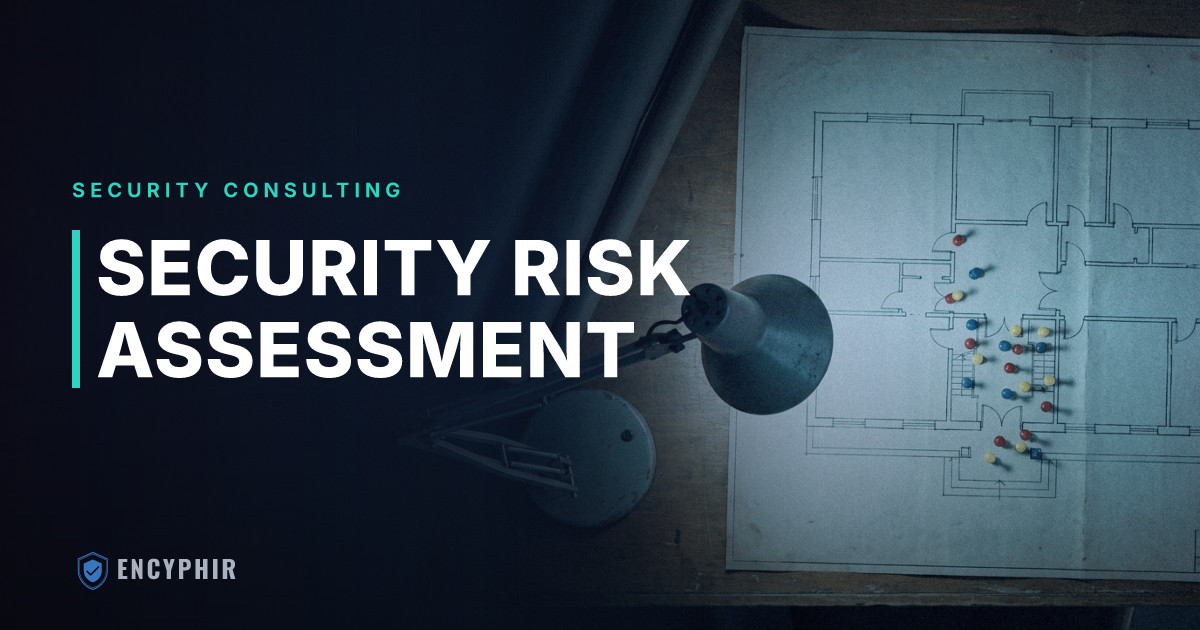
How to Conduct a Security Risk Assessment
A security risk assessment is the structured process of identifying what an organization needs to protect, what threats it faces, what vulnerabilities…
Insider Threat Programs for Businesses: What They Are and Why They Matter
Insider threats are risks posed by people who have legitimate access to an organization's systems, facilities, or information. They are among the…
Workplace Violence Threat Assessment: A Guide for Employers
Workplace violence is one of the most consequential risks that organizations face. It carries human, legal, financial, and reputational costs…
Behavioral Threat Assessment: What It Is and How It Works
Behavioral threat assessment evaluates whether a specific individual poses a credible threat of targeted violence. It also develops an intervention…
What Is a Physical Security Assessment?
A physical security assessment is a structured evaluation of an organization's facilities, systems, and procedures. A qualified security professional…
How Much Does a Security Consultant Cost?
Security consulting fees vary based on several factors: The type of engagement The consultant's experience and credentials The complexity of the…
How to Hire a Security Consultant
Hiring a security consultant differs from hiring most other professional services. The stakes are high. You are asking someone to find the…
What Does a Security Consultant Do?
The title "security consultant" gets applied broadly. It covers IT professionals focused on cybersecurity, former law enforcement officers advising on…
Workplace Harassment Prevention Training: What Works and What's Required
Workplace harassment prevention training is legally required in a growing number of states, and it's best practice everywhere. But training that…

Business Continuity Planning: A Step-by-Step Guide
Business continuity planning prepares an organization to maintain essential functions during and after a disruption. Crisis management addresses the…

Emergency Action Plans: What Businesses Need and What OSHA Requires
An Emergency Action Plan (EAP) is a written document that sets procedures for responding to workplace emergencies. OSHA requires most employers to…

Psychological Safety in the Workplace: What It Is and Why It Matters
Psychological safety is the shared belief that a team environment is safe for interpersonal risk-taking. That means speaking up with concerns…

OSHA Compliance for Small Businesses: What You Need to Know
The Occupational Safety and Health Act applies to nearly all private employers in the United States, regardless of size. Small businesses are not…

Mental Health in the Workplace: An Employer's Guide
Mental health affects every aspect of how employees show up to work. It shapes their concentration, decision-making, interpersonal behavior, and…
How to Create a Crisis Management Plan for Your Business
A crisis management plan is the documented framework that guides an organization's response when something goes seriously wrong. Businesses that…

Conflict Resolution in the Workplace: Strategies That Actually Work
Workplace conflict is inevitable. People with different perspectives, communication styles, and priorities work together under pressure, and friction…
Critical Incident Stress Debriefing: A Guide for Organizations
Critical incidents leave psychological imprints that persist long after the event is resolved. Employees who experience or witness workplace violence…
De-Escalation Techniques: What They Are and How They Work
De-escalation is the process of reducing the intensity of a conflict or potentially dangerous situation before it turns violent. It is a skill set…
Workplace Violence Prevention: A Guide for Employers
Workplace violence is the third leading cause of occupational fatalities in the United States. It affects workers in every industry. The risks are not…
Active Shooter Response: Why AVOID, DENY, DEFEND Replaces Run-Hide-Fight
The Run, Hide, Fight protocol has dominated active shooter response training since the Department of Homeland Security introduced it in 2012. It has…
Let's Get to Work.
Every initial consultation is 100% free and completely confidential. No obligation, just honest guidance on your options.